cuentosIA
The Ten-Year Yes
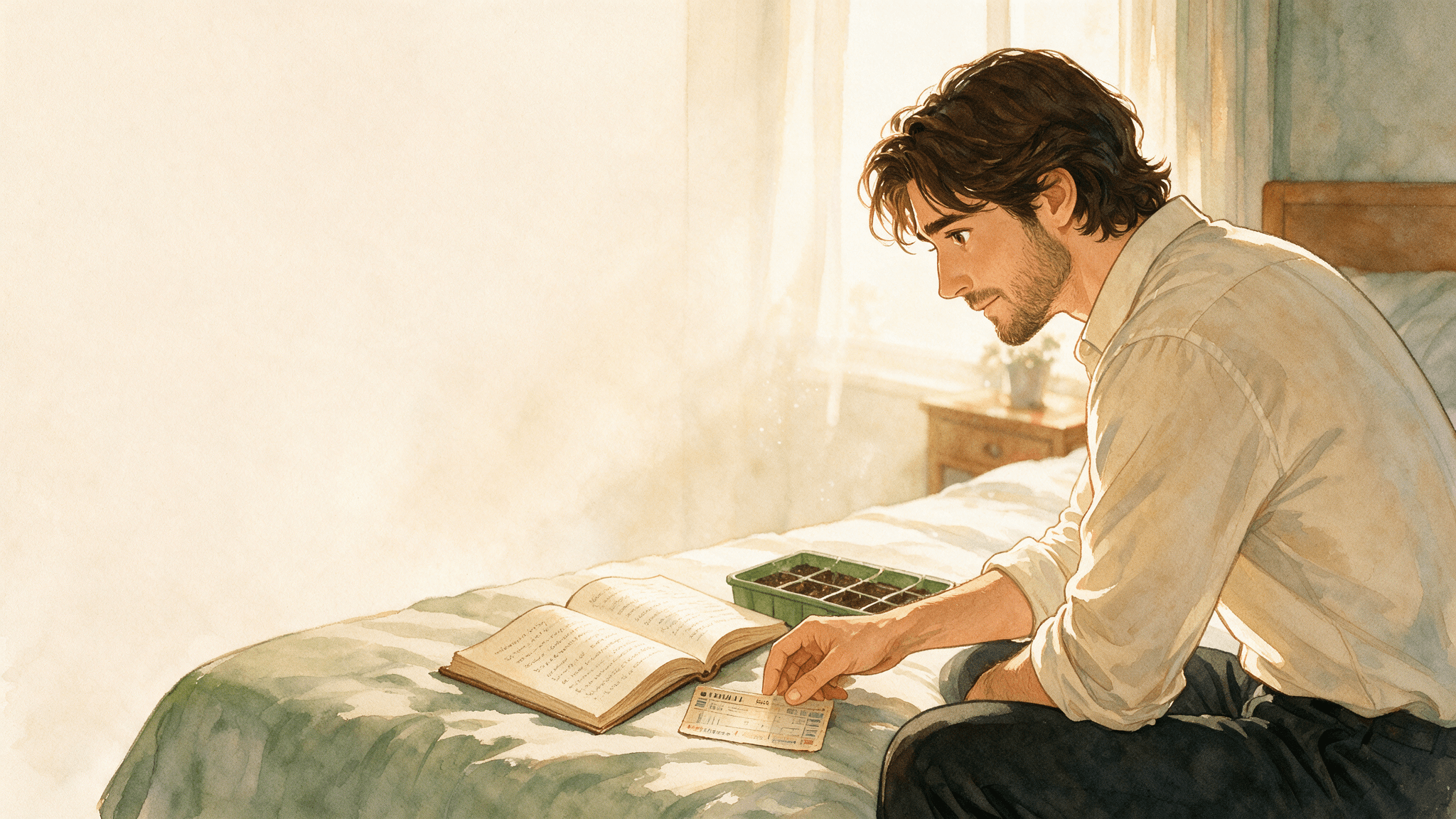
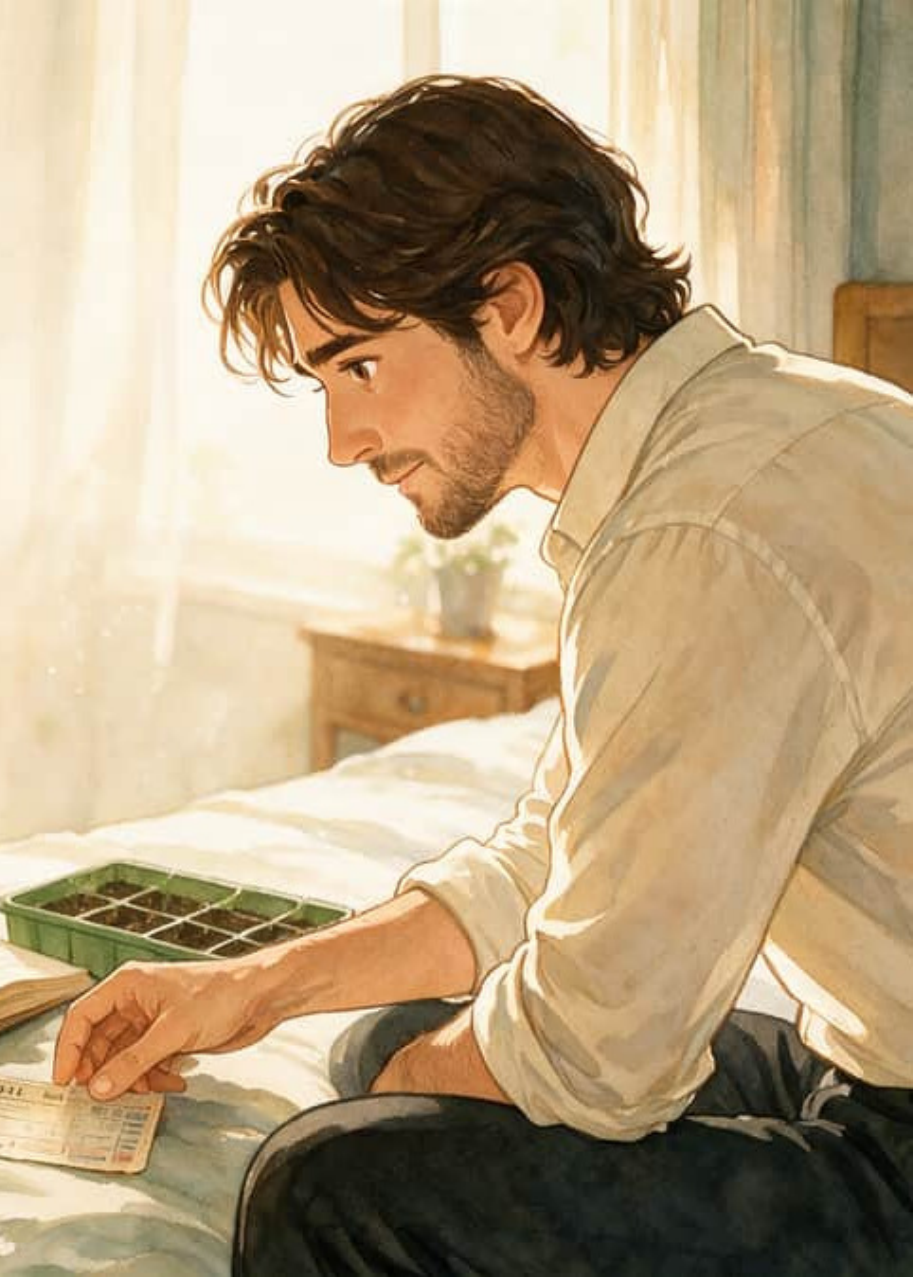
On the morning they planned to marry, Marcos found an old train ticket inside the book on his nightstand. Its ink had faded, but the delay printed across it remained legible: ninety-three minutes. Adriana had once called that delay inconvenient; later, she called it accurate.
Marcos set the ticket beside a seed tray and touched its softened edge. Ten years had passed without ever feeling properly scheduled. Their life together had arrived through postponements, ordinary decisions, and doors neither had closed.
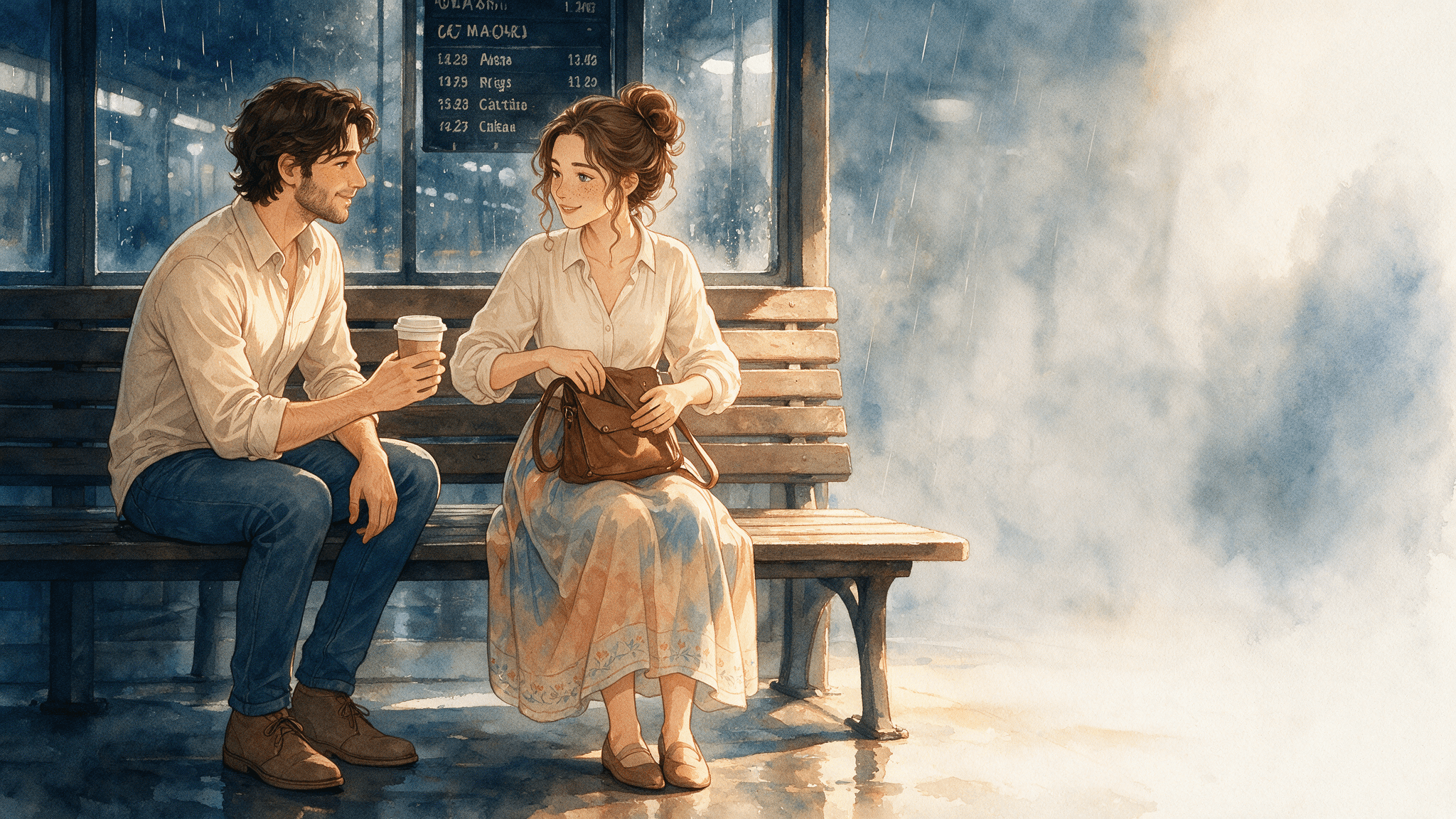
The departure board changed twice before Marcos noticed Adriana guarding the only empty seat beside her. The train was delayed indefinitely, rain threaded the station windows, and every outlet had been claimed. He lifted his paper cup in negotiation.
—Is this seat waiting for someone with better coffee?
Adriana studied the cup, then moved her bag.
—Nobody has better coffee here.
They shared the seat, a grimace at the first sip, and the strange ease of beginning.
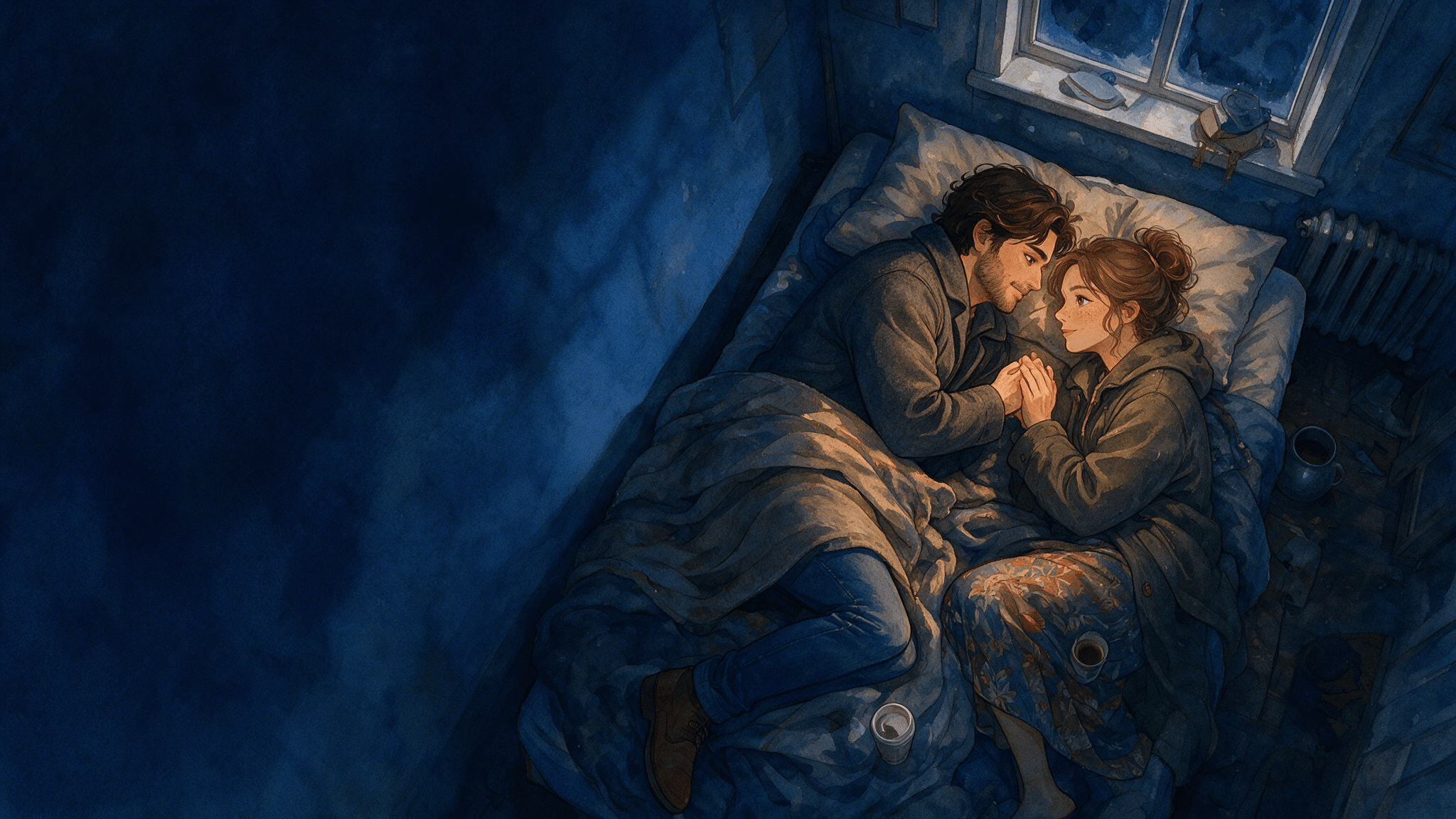
Months later, their first apartment had unreliable heating and windows that translated every gust into a complaint. One January night, the radiator surrendered with a final CLANK. Marcos found two coats; Adriana brought the train cups, saved for reasons neither had explained.
They slept dressed on the floor beneath every blanket they owned.
—This is not the right time to admit I hate camping.
—Good. This is technically housing.
Their laughter warmed nothing, yet morning found them closer.
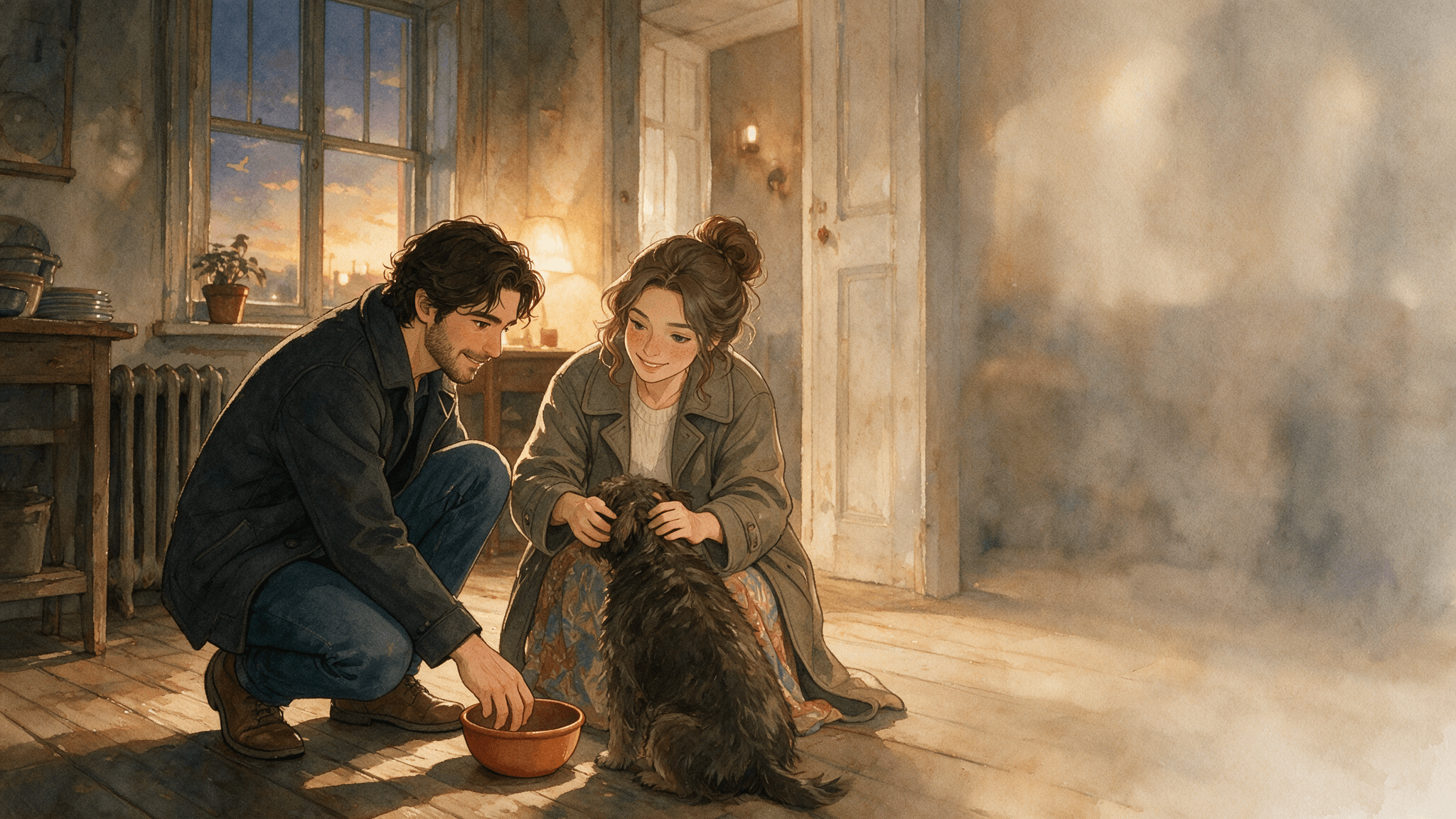
The dog nobody else wanted entered their life on a Tuesday. Adriana had gone only to look. Marcos had promised to remain practical. Then the dog placed its head against Adriana’s knee, and practicality quietly left the room.
They adopted it without discussion and bought a bowl on the way home.
—We should have talked about this.
—We are talking now.
That evening, the bowl stood beside their chipped plates, as if the apartment had been waiting for it.
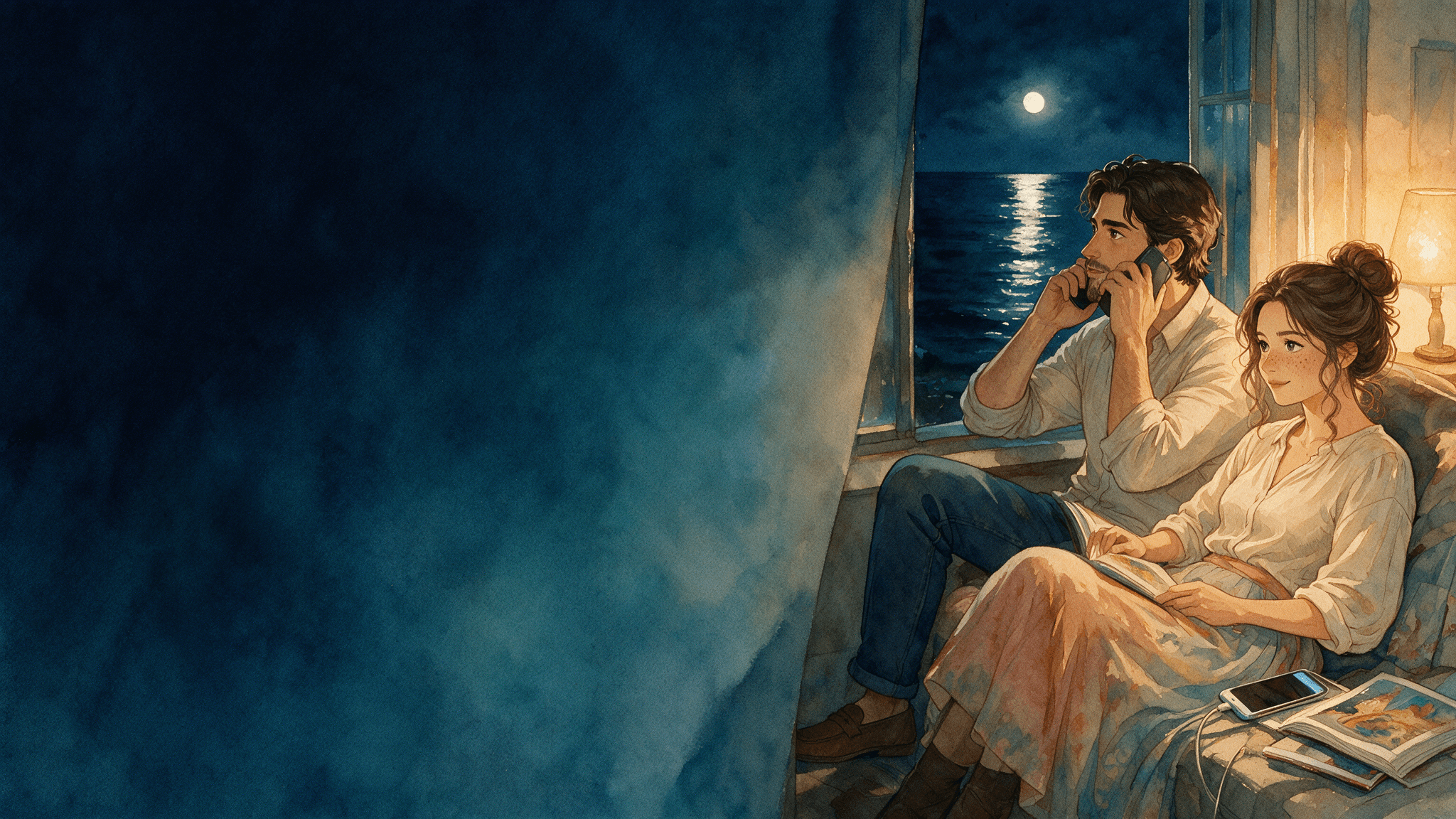
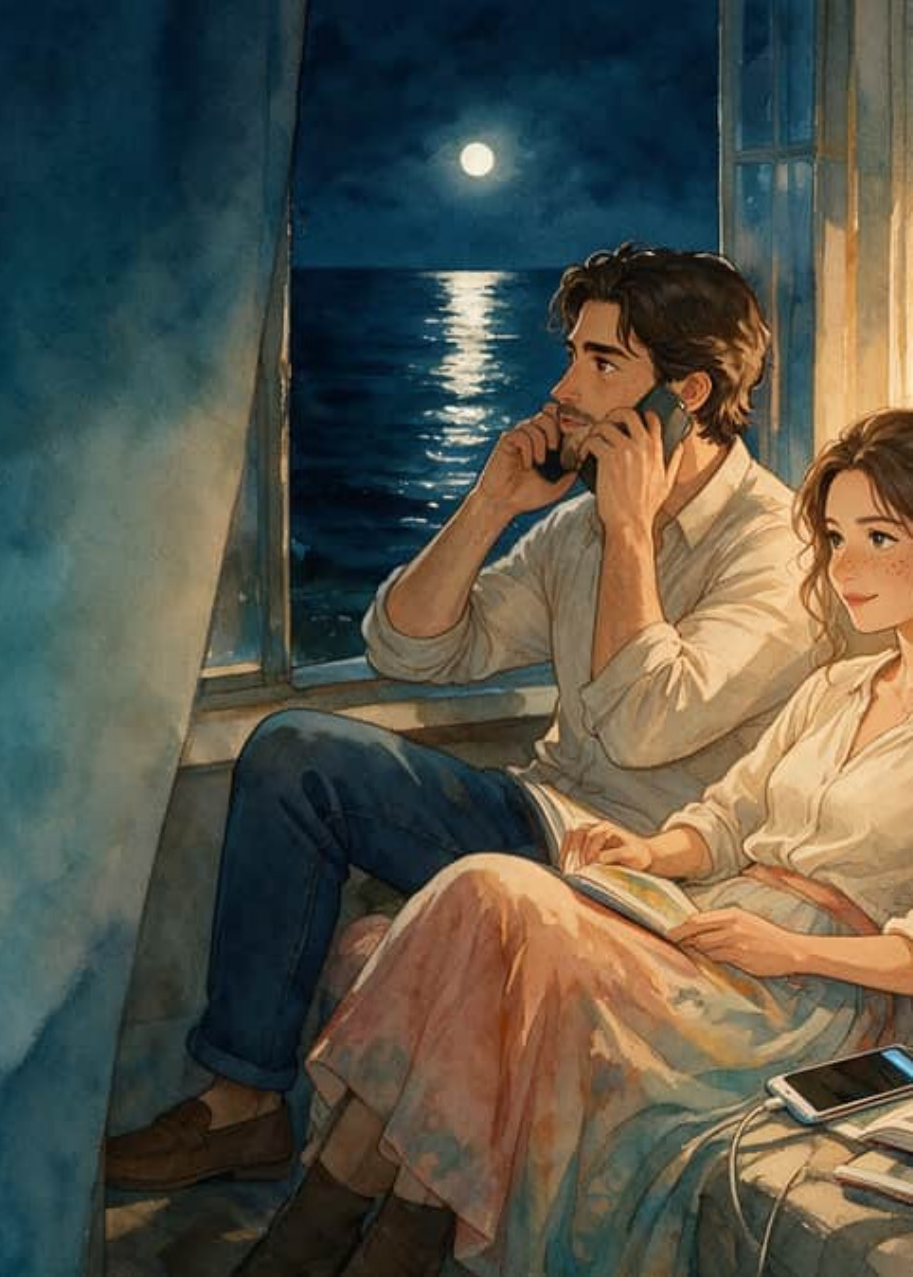
When Adriana’s work took her to another city for a year, they said distance was sensible and temporary. Neither word helped after midnight. They learned each other through phone speakers: Marcos describing the sea he missed, Adriana recounting fragments of art and history from her day.
Some calls contained nothing remarkable.
—Are you still there?
—I’m here.
They repeated those words until they became more than reassurance. Love crossed the distance not dramatically, but nightly, one charged phone at a time.
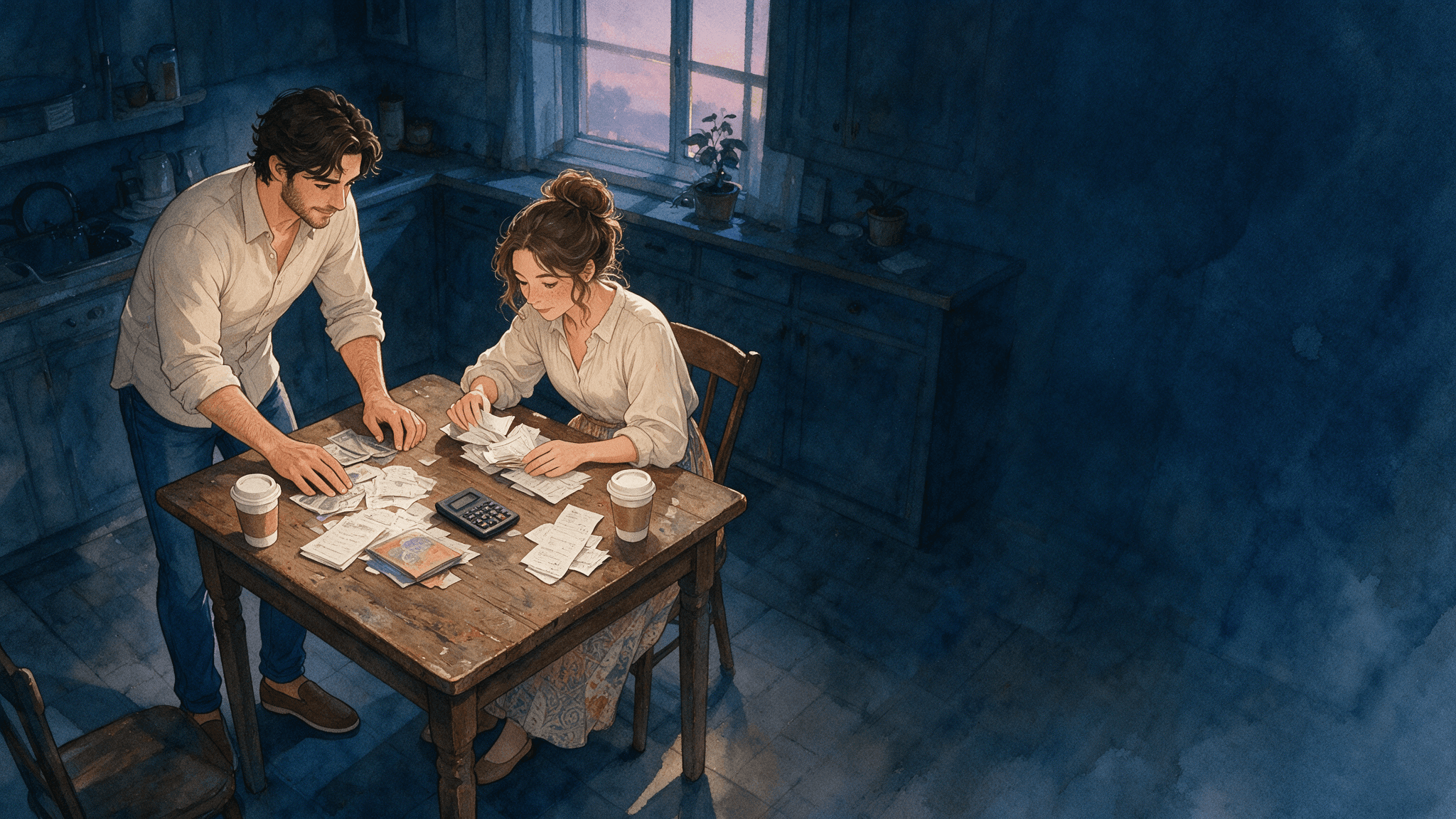
The hardest argument happened at the kitchen table, among unpaid bills, grocery receipts, and two cups of coffee gone cold. Adriana wanted numbers to make sense. Marcos wanted possibility to count as a number. Their voices sharpened; neither recognized the person speaking.
Then silence settled heavily between them.
—I don’t know how to fix this tonight.
—Then stay until tomorrow.
Neither left the room. Near dawn, they made a budget together, imperfect but honest, and washed the cups.
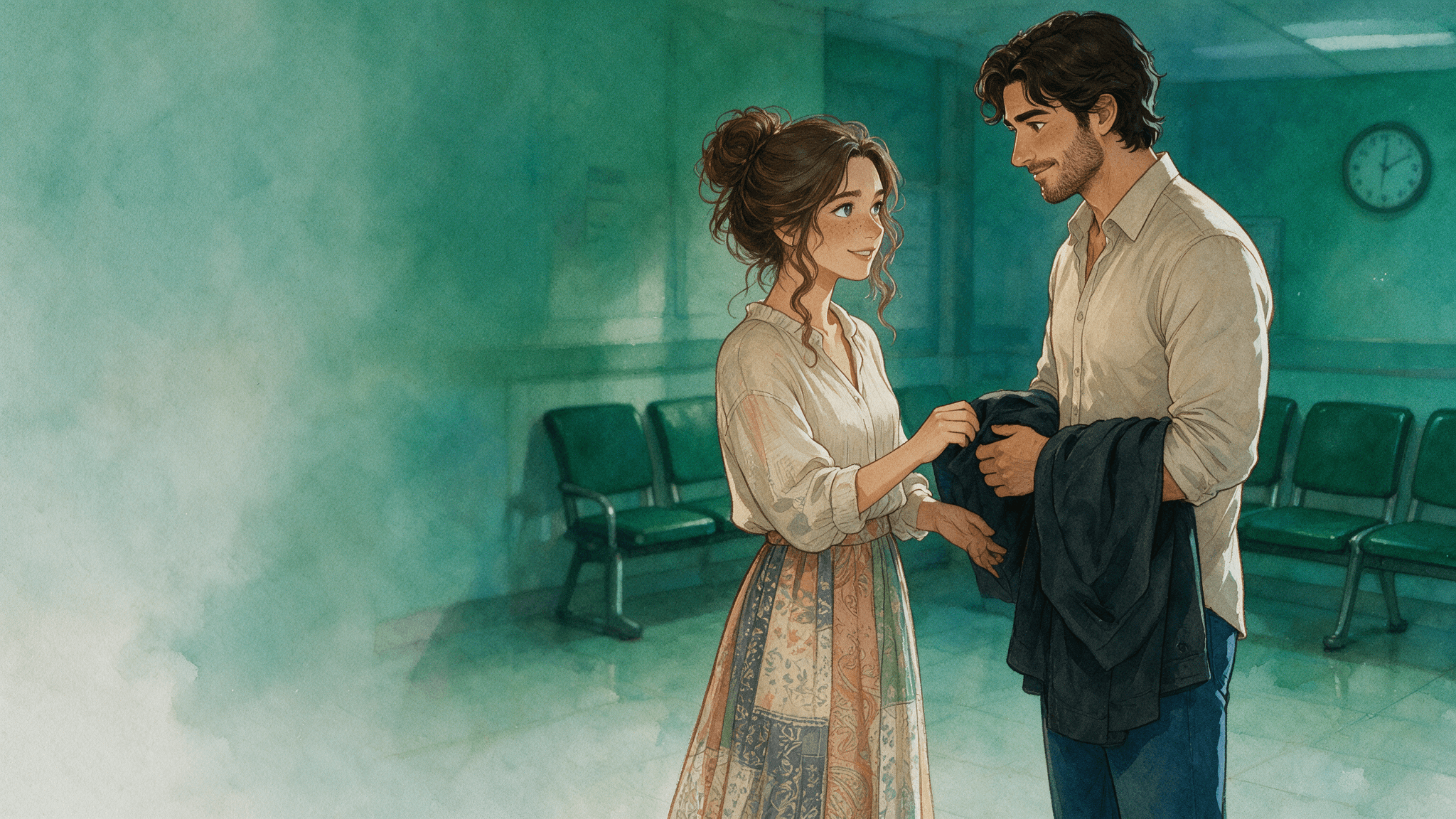
In the hospital waiting room, time became fluorescent and airless. Adriana could not make herself sit, so Marcos remained standing too. For six hours, he held her coat over one arm while she crossed the same stretch of floor and returned.
There was nothing adventurous to do, nothing useful to repair.
—You can put that down.
—I know.
He kept holding it. When uncertainty finally loosened its grip, Adriana slipped her hand into the empty sleeve and found his fingers.
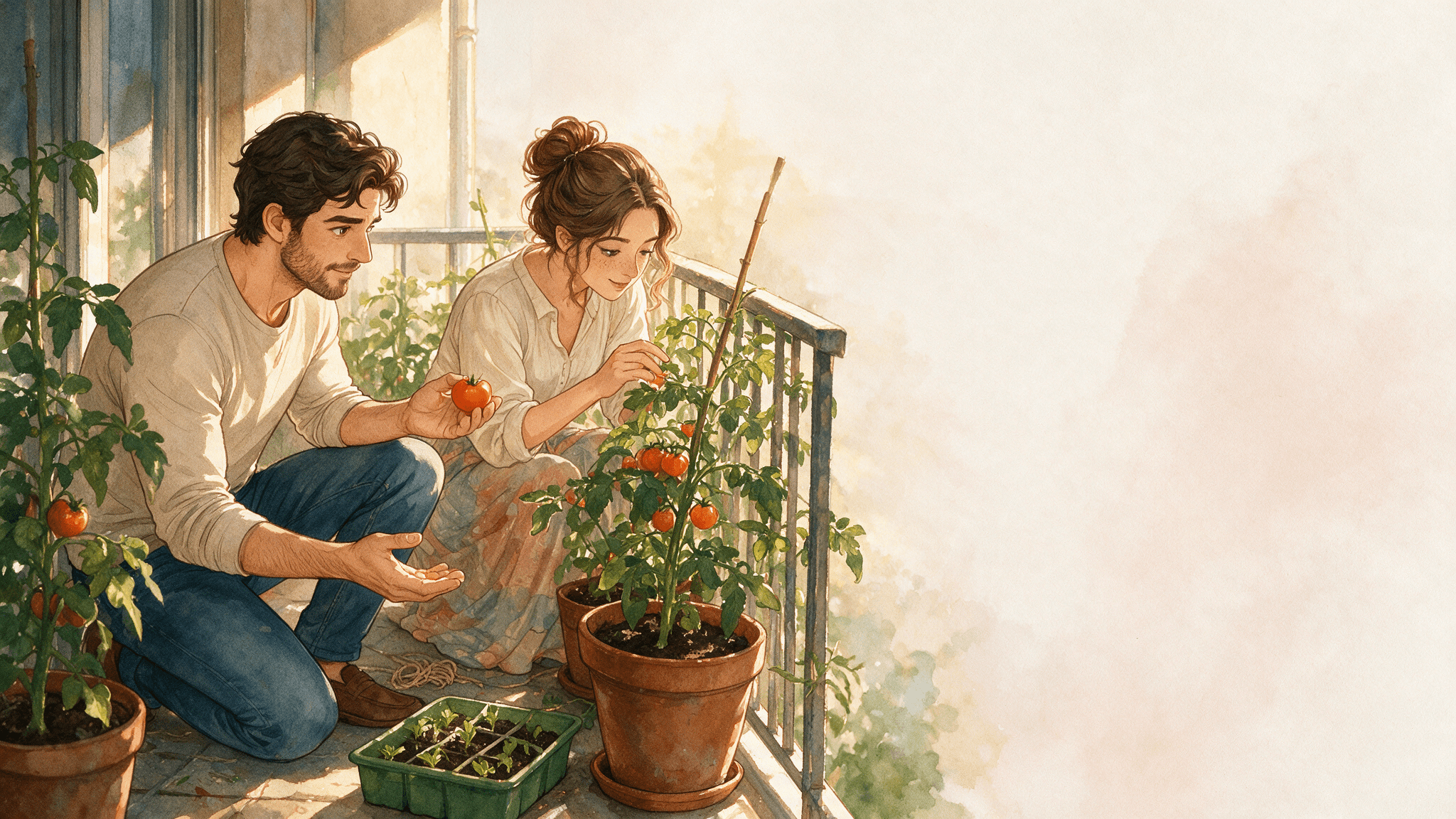
Every spring, they planted tomatoes on the balcony. Every summer, the plants produced elaborate leaves and almost nothing else. Adriana measured sunlight with determined precision; Marcos told the seedlings stories about ancient gardens, as though tradition might persuade them.
One August, they harvested a single tomato no larger than a coin.
—We are terrible at this.
—We are persistent.
The following March, a fresh seed tray appeared beside the window. Neither asked whether they should try again.
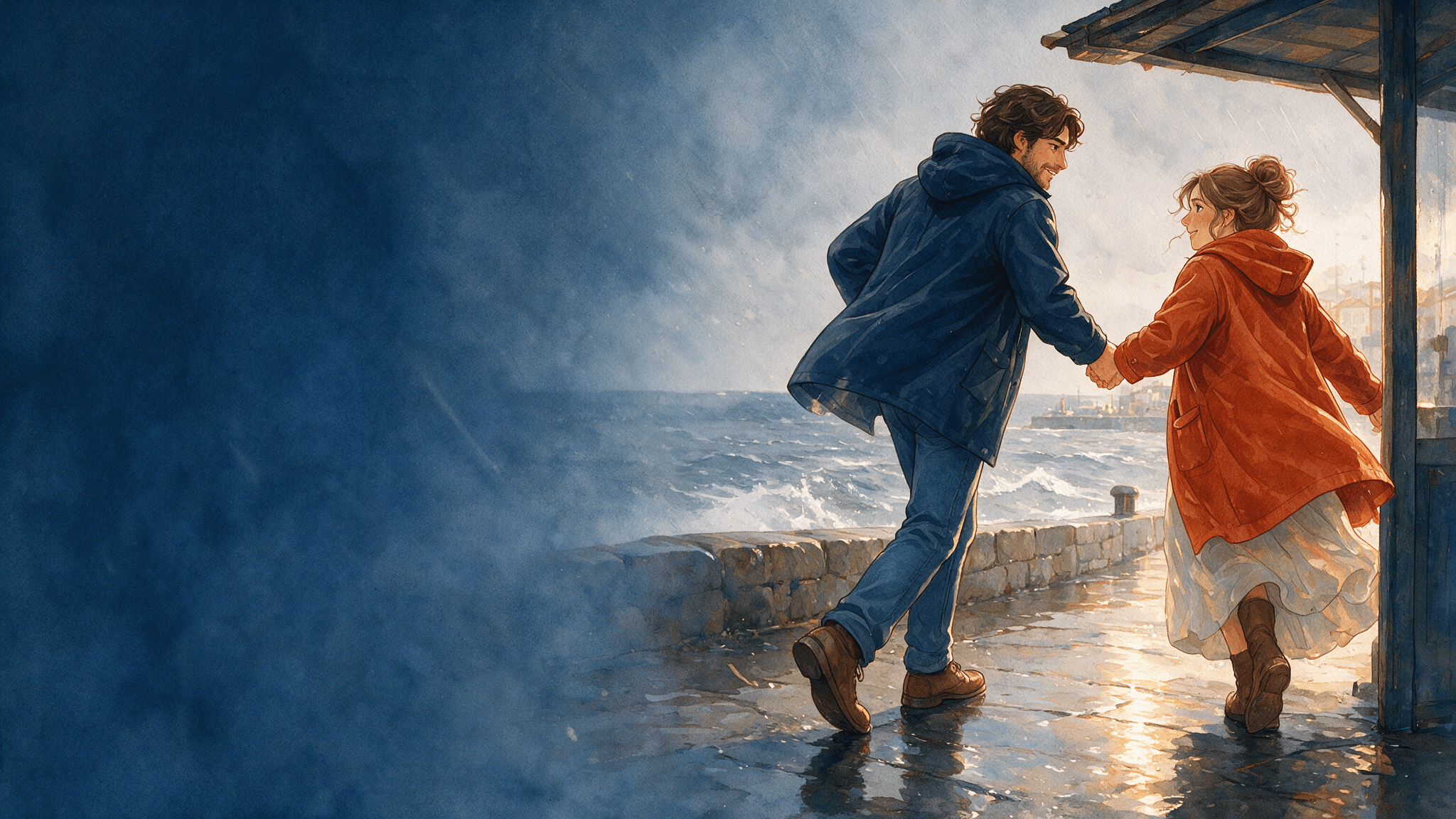
They canceled the trip twice: once because work expanded into the week, once because money contracted before it. The third time, they went despite a forecast promising rain from departure to return. The promise was kept.
They walked wet streets, shared food beneath narrow awnings, and watched the gray sea strike the harbor wall with SPLASH after SPLASH.
—This isn’t the perfect week.
Marcos took her rain-soaked hand.
—I’m starting to distrust perfect things.
She smiled and pulled him onward.
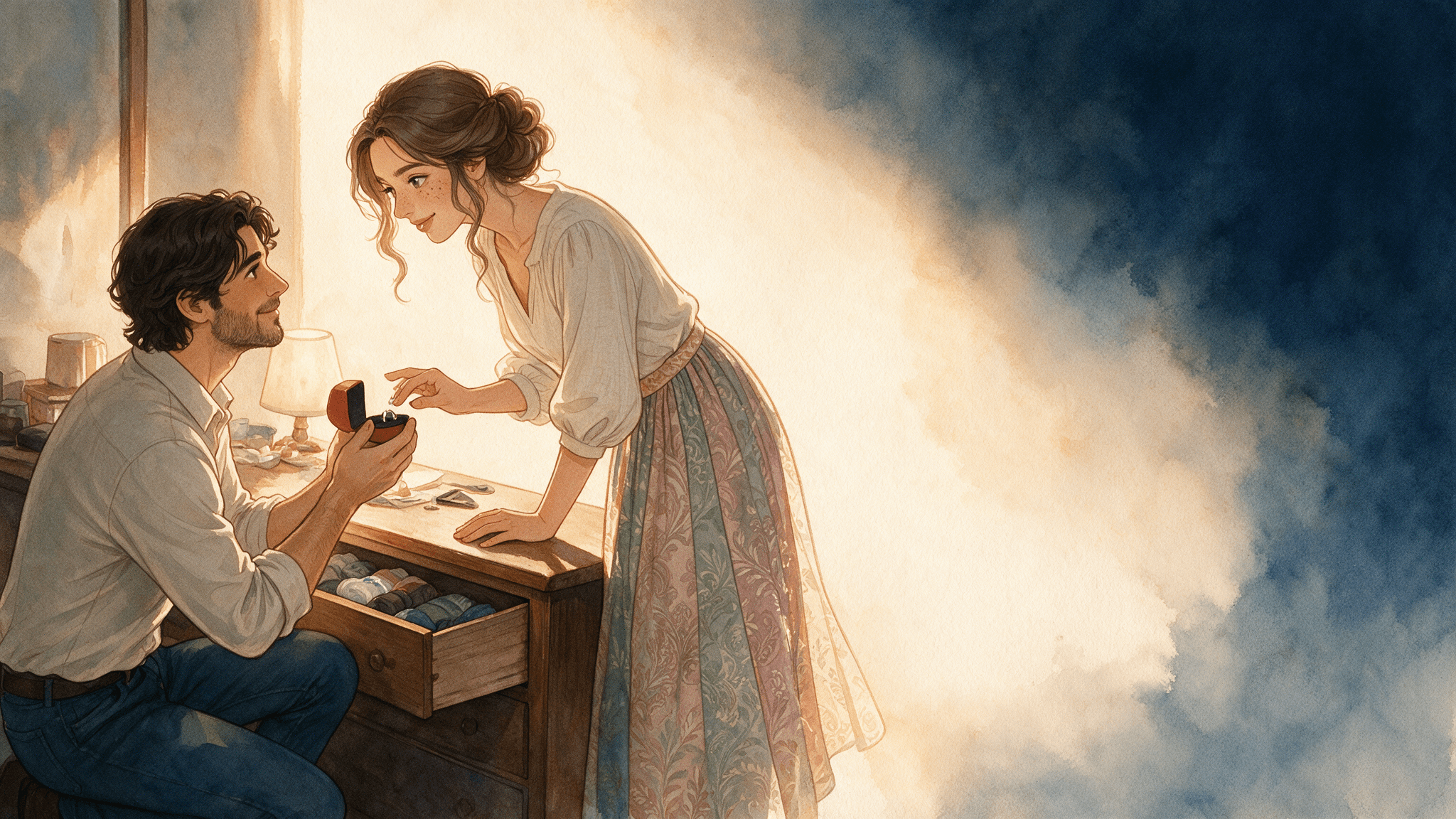
Marcos bought the ring after their rainy trip and hid it inside a sock drawer. For eight months, he waited for a flawless moment. Each possibility failed: dinner burned, plans shifted, exhaustion arrived early, or ordinary life simply continued being ordinary.
One evening, Adriana discovered him staring into the open drawer.
—Have you forgotten how socks work?
Marcos took out the ring before courage could become another delay.
—I had a better speech.
—This is the right one.
Then she said yes.
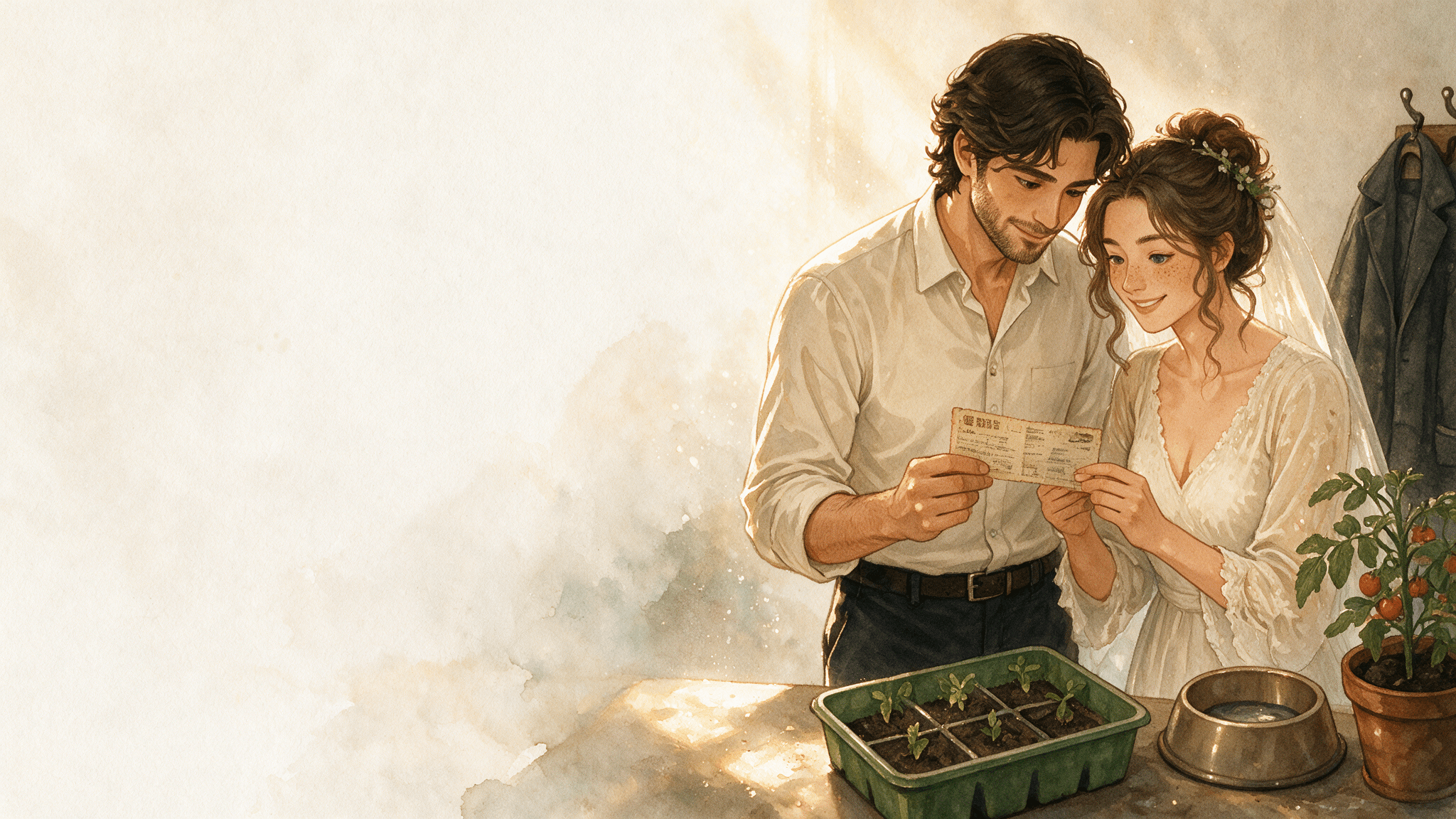
Now the wedding day moved quietly around them. Adriana found Marcos beside the seed tray, the old ticket resting in his palm. She recognized it immediately and touched the printed delay with one fingertip.
—You kept it all this time.
—Apparently, I believe in historical records.
She leaned against him. Nearby waited the coat from winter, the dog’s familiar bowl, and a tomato plant still making unreasonable promises. Their years had left evidence everywhere, humble objects carrying what memory could not hold alone.
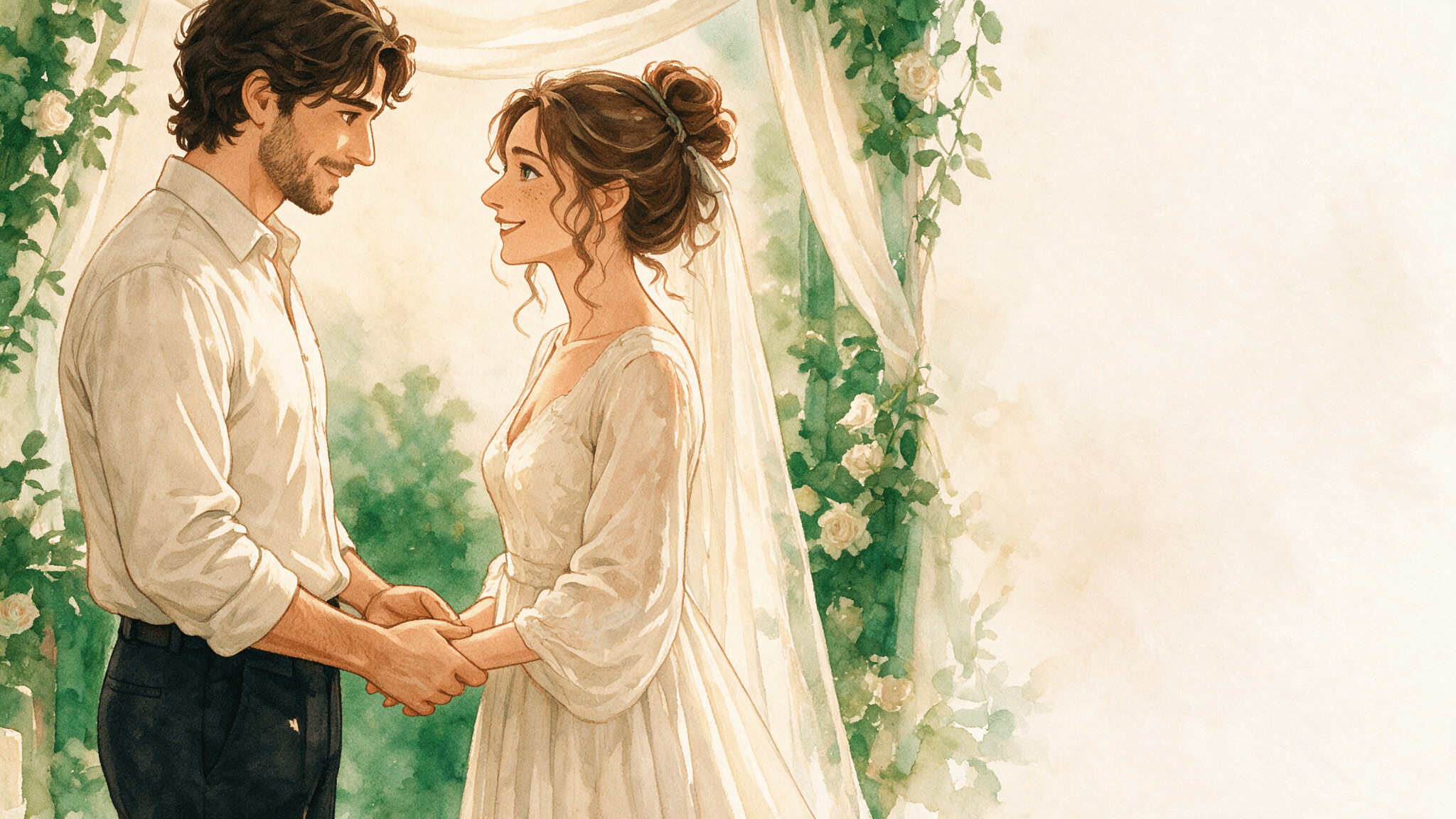
When the moment came, Marcos looked at Adriana before speaking. He remembered bad coffee, frozen windows, nightly calls, unpaid bills, and six hours beneath hospital lights. He remembered rainwater in their shoes, the lonely tomato, the ring waiting among socks.
The answer had never depended on this day. They had already said yes by staying in the room, answering the phone, planting again, and choosing the imperfect trip.
Adriana took his hands. Marcos breathed once, steady and certain.
—Yes. I choose you, again and always.