Personalized educational stories for kids | Learn through stories
Stories that teach values, emotions and knowledge while the child enjoys being the protagonist.
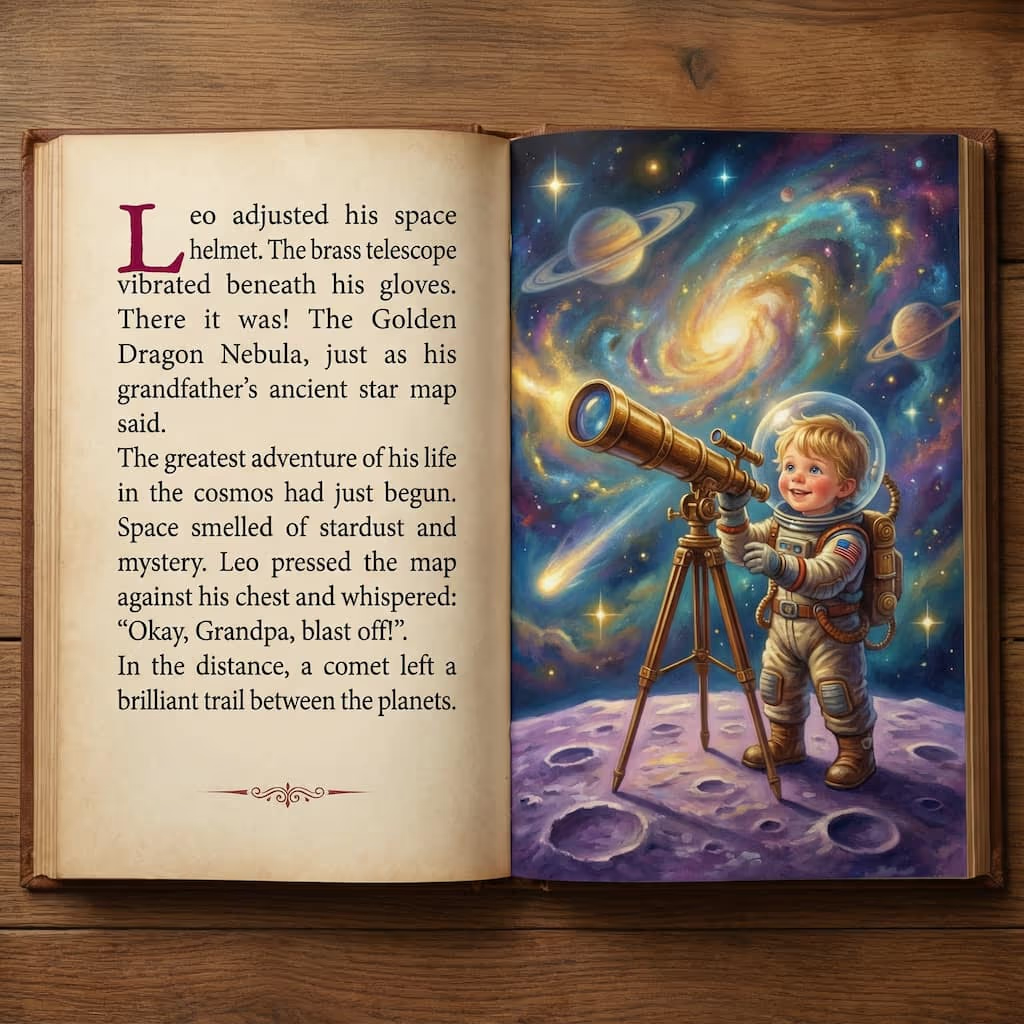
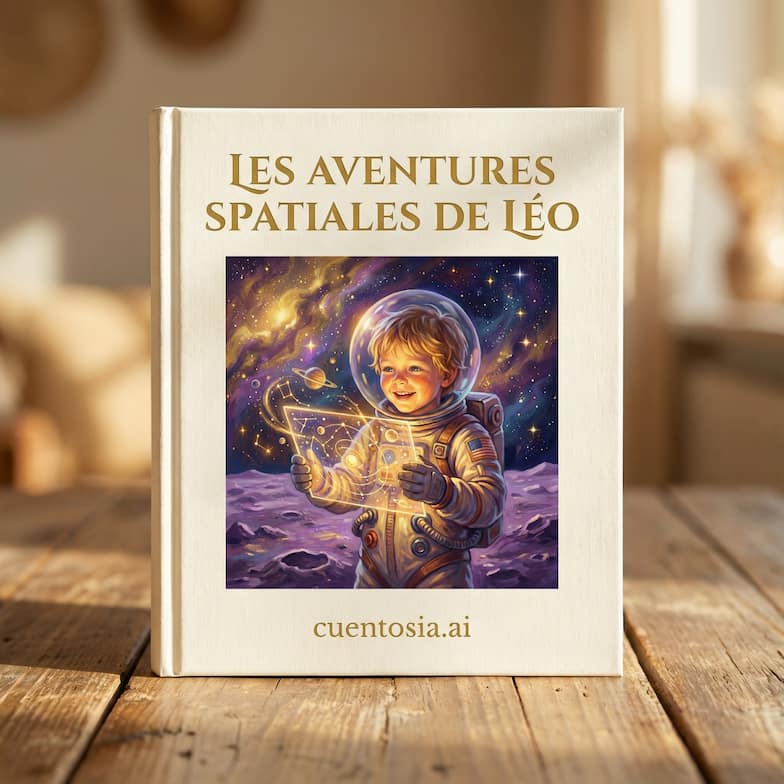
Your imagination + our technology = your story
How personalized educational stories work
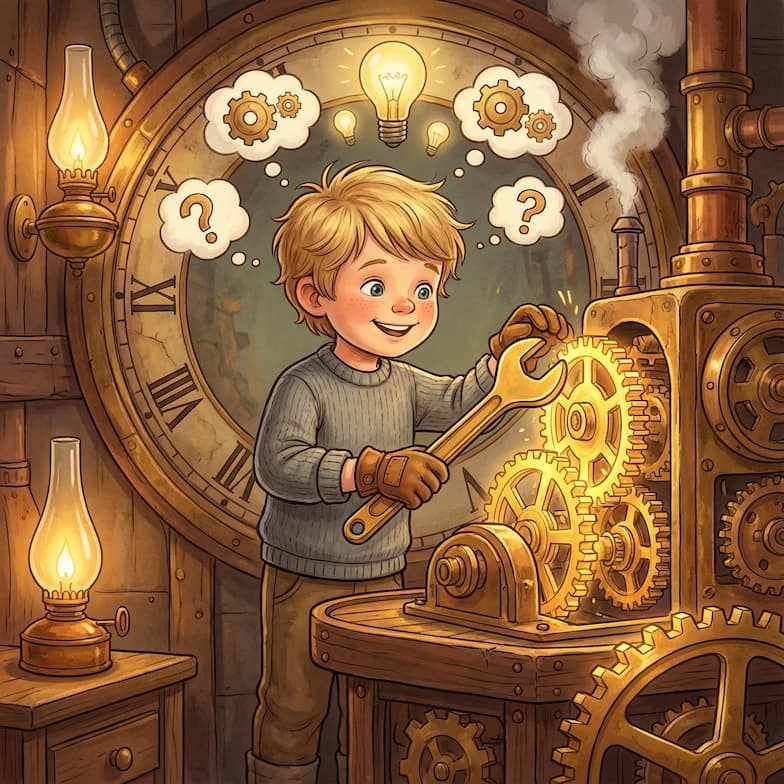
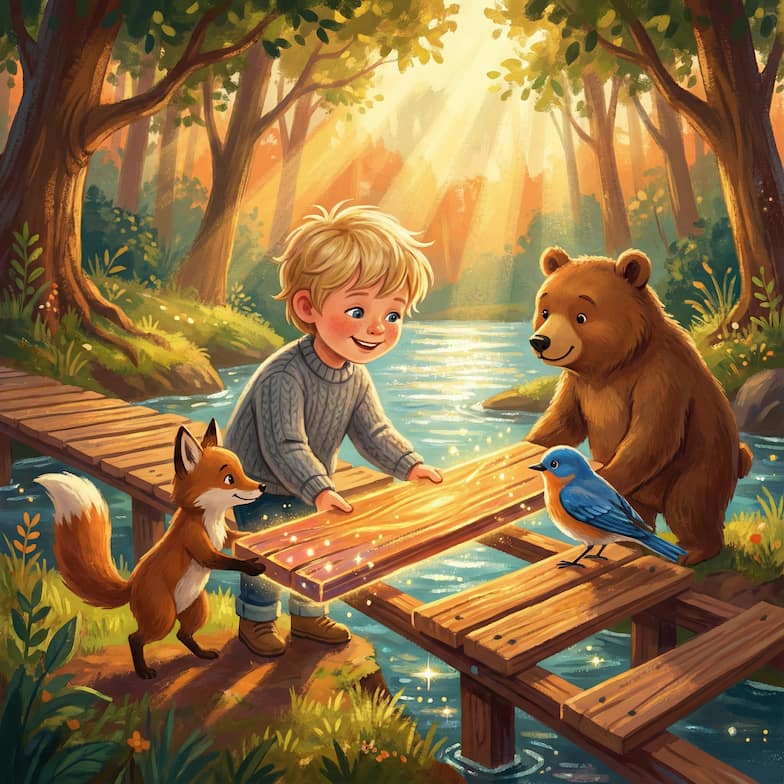
Children learn better when they see themselves in the story. A book where the main character has their face and interests creates an emotional connection that makes learning more effective. It's not a textbook in disguise — it's an adventure where educational concepts are woven naturally into the narrative.
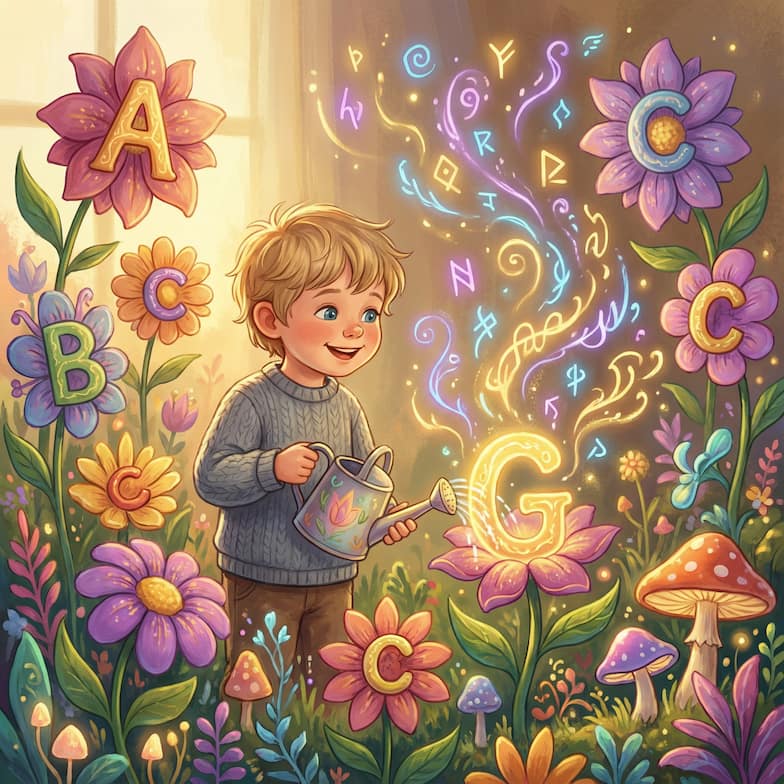
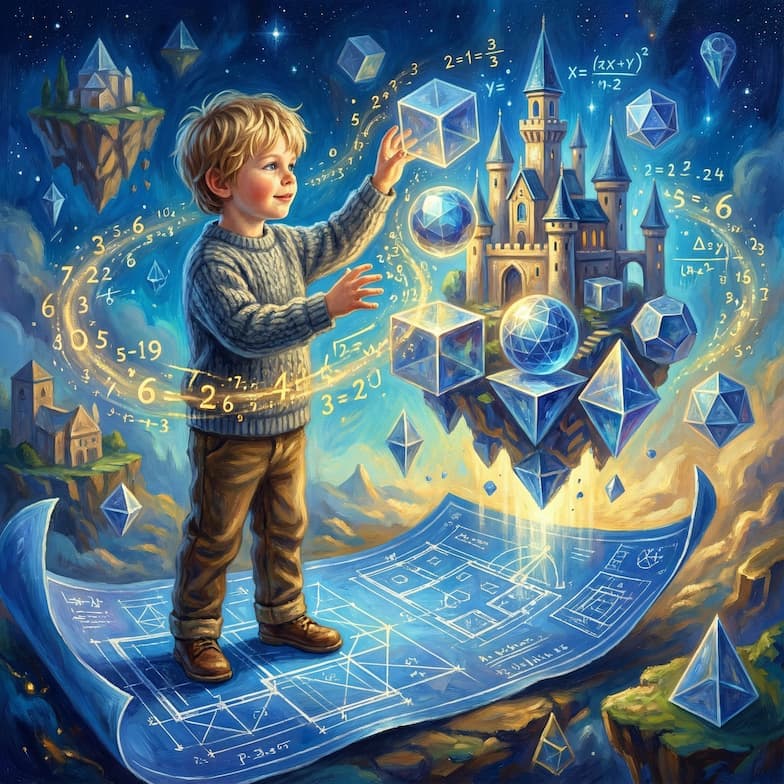
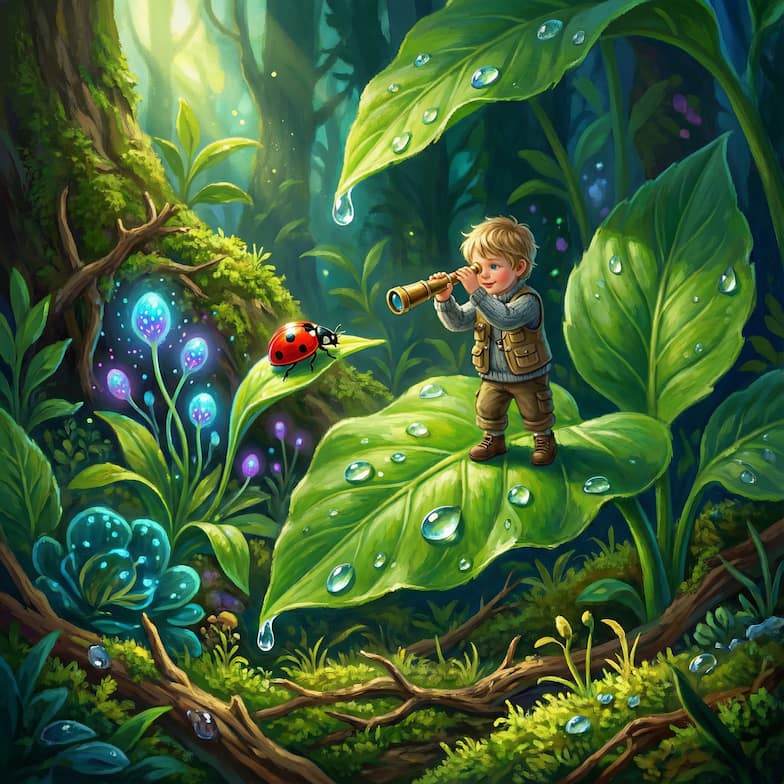
Choose from 10 educational categories: reading comprehension, language, math, logical thinking, emotional education, values, environmental awareness, culture, attention and memory, creativity. Each category has specific learning objectives integrated into the story's plot.
Stories are aligned with official school curricula: LOMLOE (Spain), SEP (Mexico) and Bases Curriculares (Chile). They adapt by grade and subject, incorporating official key vocabulary. Ideal as homework support at home or supplementary classroom material.
For parents, teachers and therapists
Homework support that doesn't feel like homework. Your child reads eagerly because they're the protagonist of the story.
Supplementary material personalized per student. Compatible with official primary school curricula in Spain, Mexico and Chile.
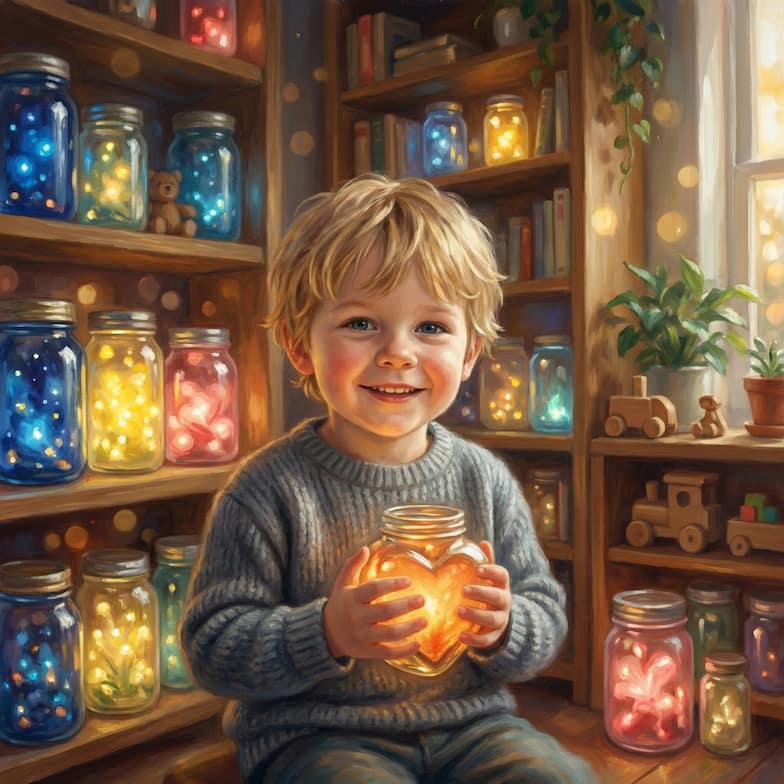
Stories about emotional management, fears, family changes and difficult situations, adapted to the child.