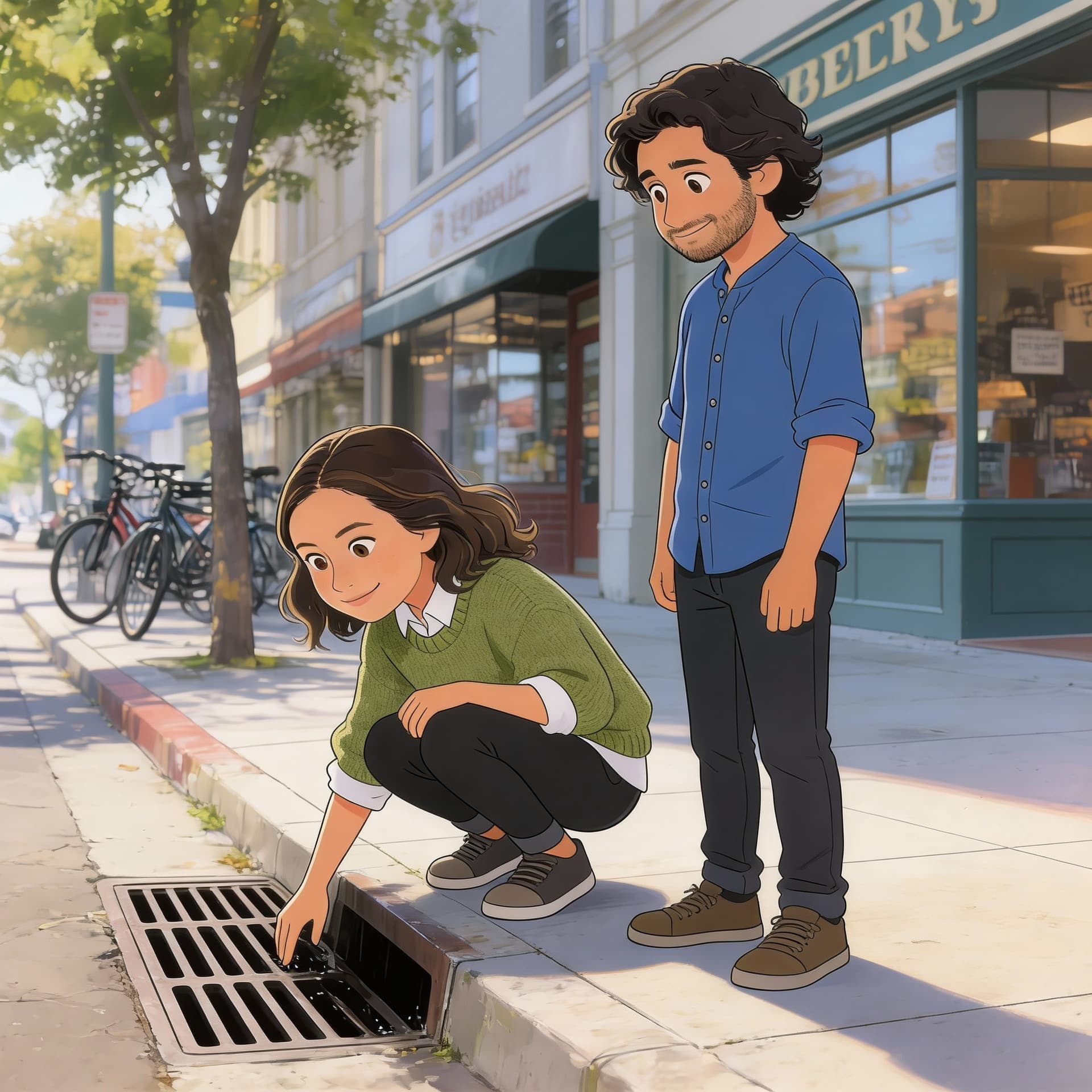
Maya and Amir walked through Berkeley like they were decoding it. A delivery truck hissed. A cyclist rang once. Maya slowed near a storm drain, staring as if the asphalt had just said her name.
“Do you smell that?” Maya asked. It was sharp, mineral, almost like wet stone after a drought. Amir laughed softly. “You’ve got the nose of a field chemist.” Maya pointed at a thin, shimmering line in the gutter. It wasn’t oil. It moved too deliberately, as if it were alive and following the slope with intent.
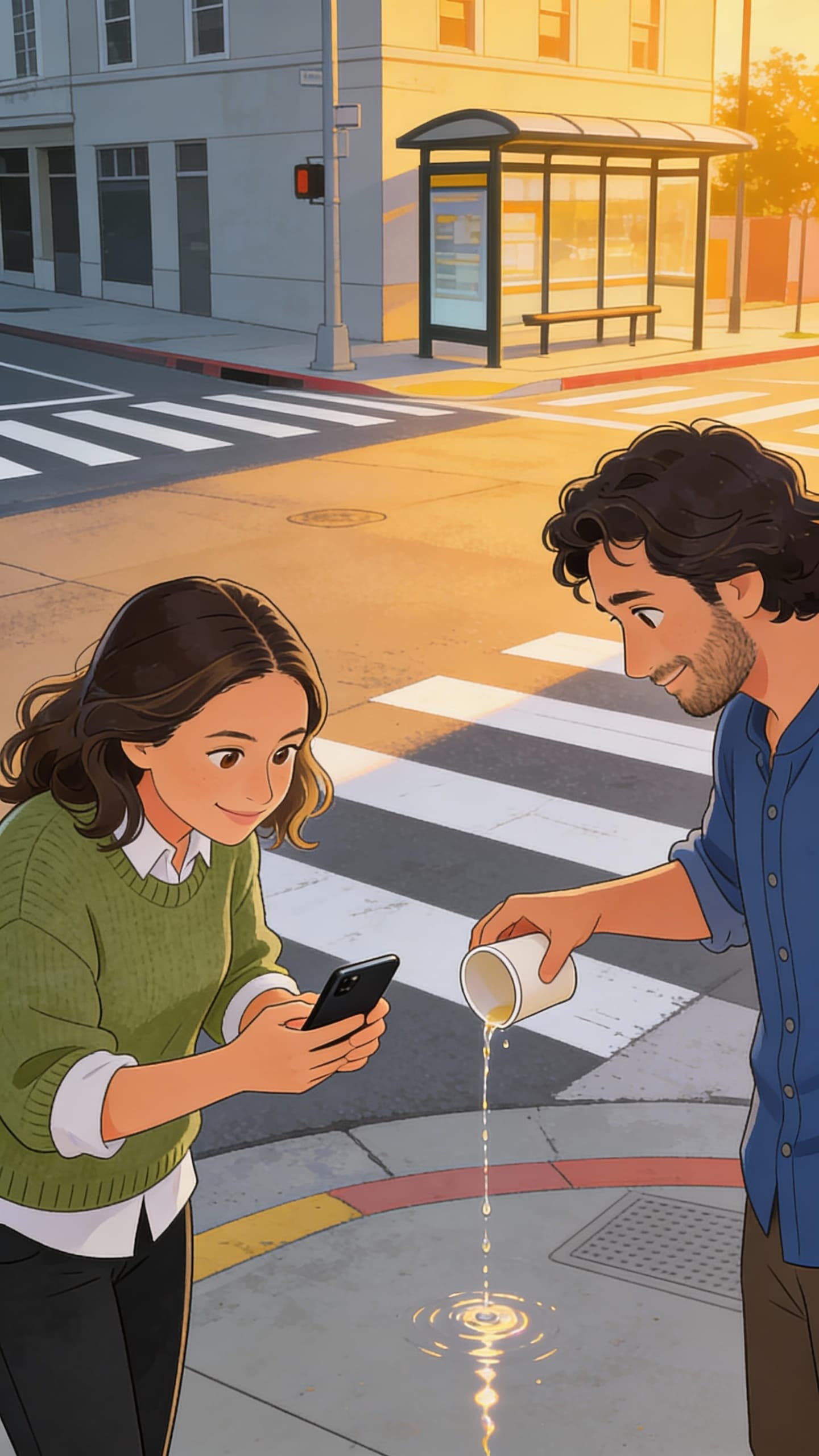
Maya filmed the trickle with her phone. Amir held his coffee cup under it like a makeshift beaker. “If it’s what you think,” he said, “we’re not walking anymore. We’re chasing.” Maya nodded, already restless.
They followed the gutter downhill until the stream vanished into a grate. Maya's mind ran ahead: dissolved metals, microbial films, chelation. Amir's zoomed out: urban runoff, ecology, systems. "The city is one big lab," he said. "And you're the only one who notices the whisper before the shout." Maya pretended not to like the compliment, but her steps quickened.
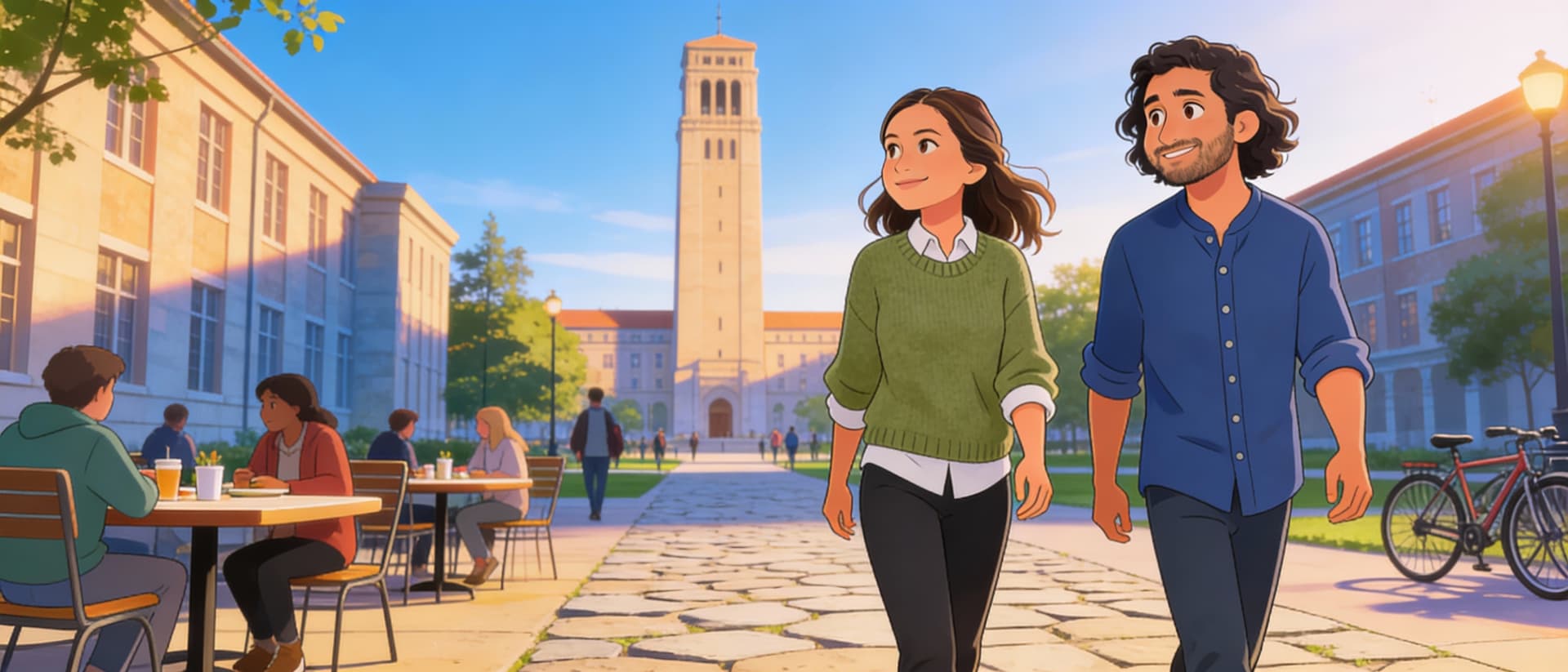
By the time they reached campus, Maya’s questions had multiplied. Amir steered them toward a café near Sather Tower. The Campanile rose above them, steady and pale, like a metronome for every thesis in progress.
Inside, they claimed a small table by the window. Maya opened her notebook and wrote three words: “not oil, not algae.” Amir drew arrows between circles like he was mapping weather. “What if it’s a polymer?” Maya asked. “From tires?” Amir said. “Or from trees.” Maya looked up. “Trees don’t make polymers that behave like that.” Amir smiled. “Then we find the tree that does.”

The Campanile bells chimed. Maya flinched, then laughed at herself. Amir slid his laptop around. “We can’t sample a drain,” he said, “but we can watch patterns.” Maya tapped the screen. “Patterns are where truth hides.”
They argued gently, the way close collaborators do when they trust each other’s minds. Maya wanted a mechanism. Amir wanted a story that fit the whole watershed. “If I’m wrong, tell me,” Maya said, too quickly. Amir’s voice stayed calm. “I’m not here to win. I’m here to understand you understanding it.” She took a breath. “Okay. Then we walk again.”
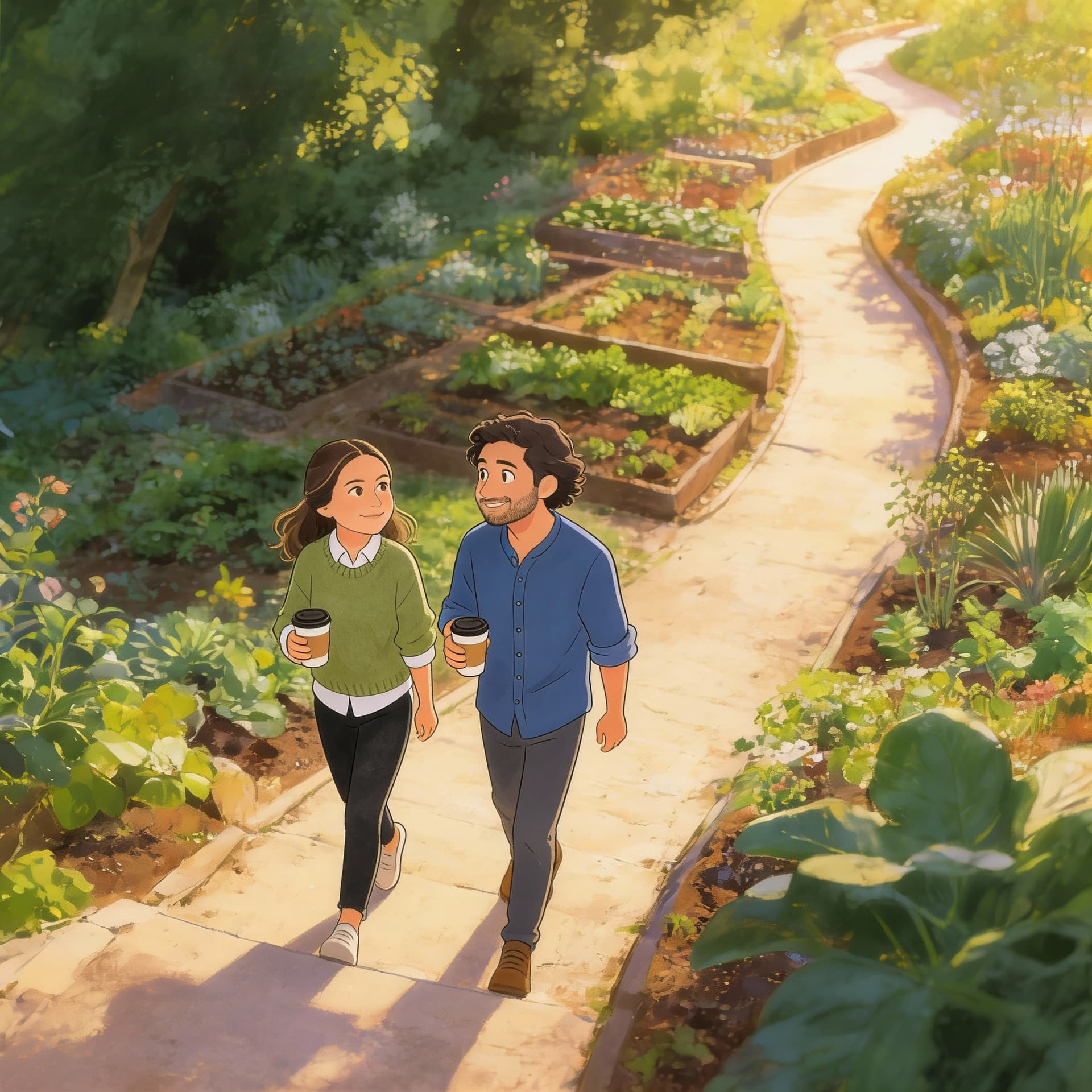
Maya led Amir along strawberry-scented paths toward the UC Botanical Garden. She moved with purpose, like each step could become data. Amir kept pace, carrying their coffees and the quiet faith that Maya’s instincts mattered.
In the Garden’s hush, the city felt far away. Maya stopped at a patch of eucalyptus and rubbed a fallen leaf between her fingers. The scent snapped bright and medicinal. Amir watched her face change—curiosity tightening into focus. “Terpenes,” Maya murmured. “They’re sticky. Reactive.” Amir crouched by a damp spot in the soil. “And they travel,” he said, “especially when water gives them a ride.”
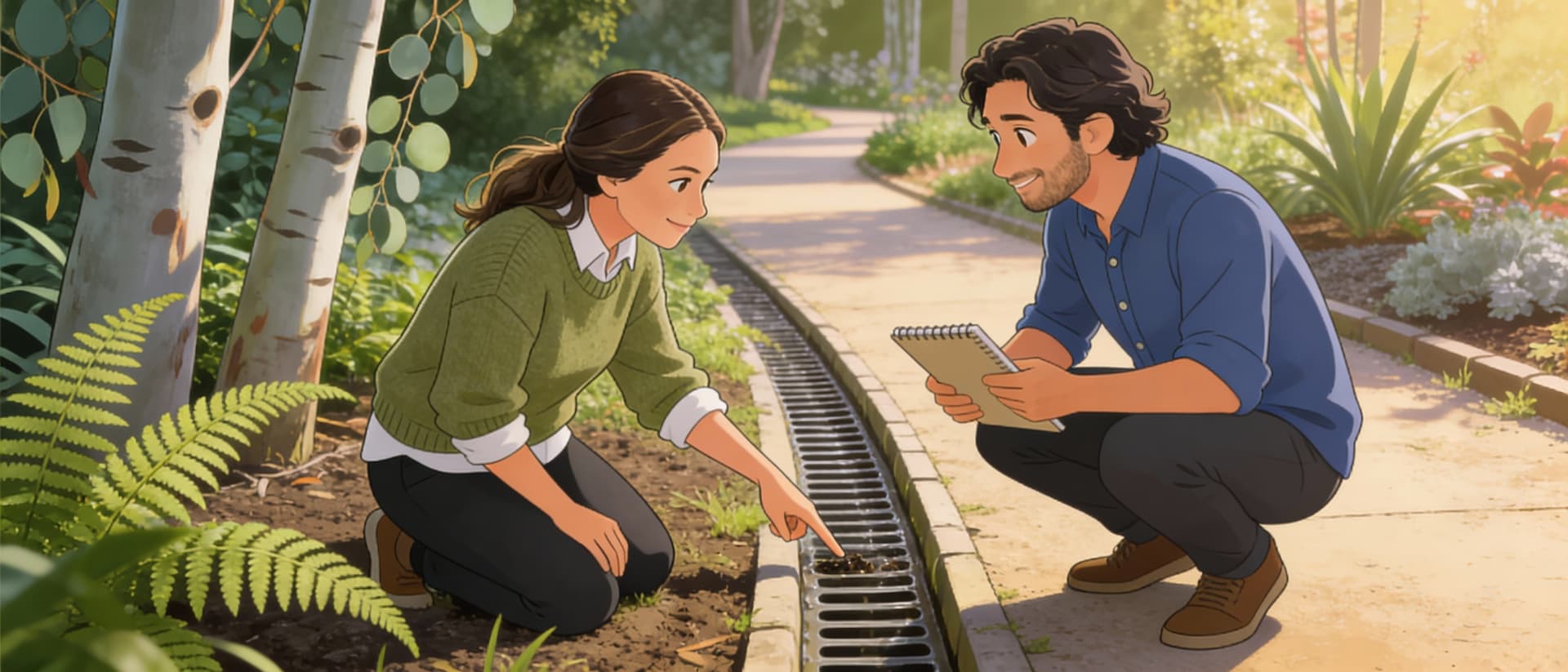
A volunteer gardener passed and nodded, not interrupting. Maya traced runoff lines where the path dipped. “When it rains,” she said, “these compounds could bind metals, change conductivity.” Amir’s eyes lit. “A natural chelator. In an urban channel.”
Maya collected nothing—rules were rules—but she gathered observations like samples: glossy soil, sharpening smells, faint sheen after sprinklers. Amir built a model aloud, connecting wind, leaf oils, drains, and bay. "If the compound acts like a switch, we could detect pollution earlier." Maya's throat tightened. Earlier meant preventable.
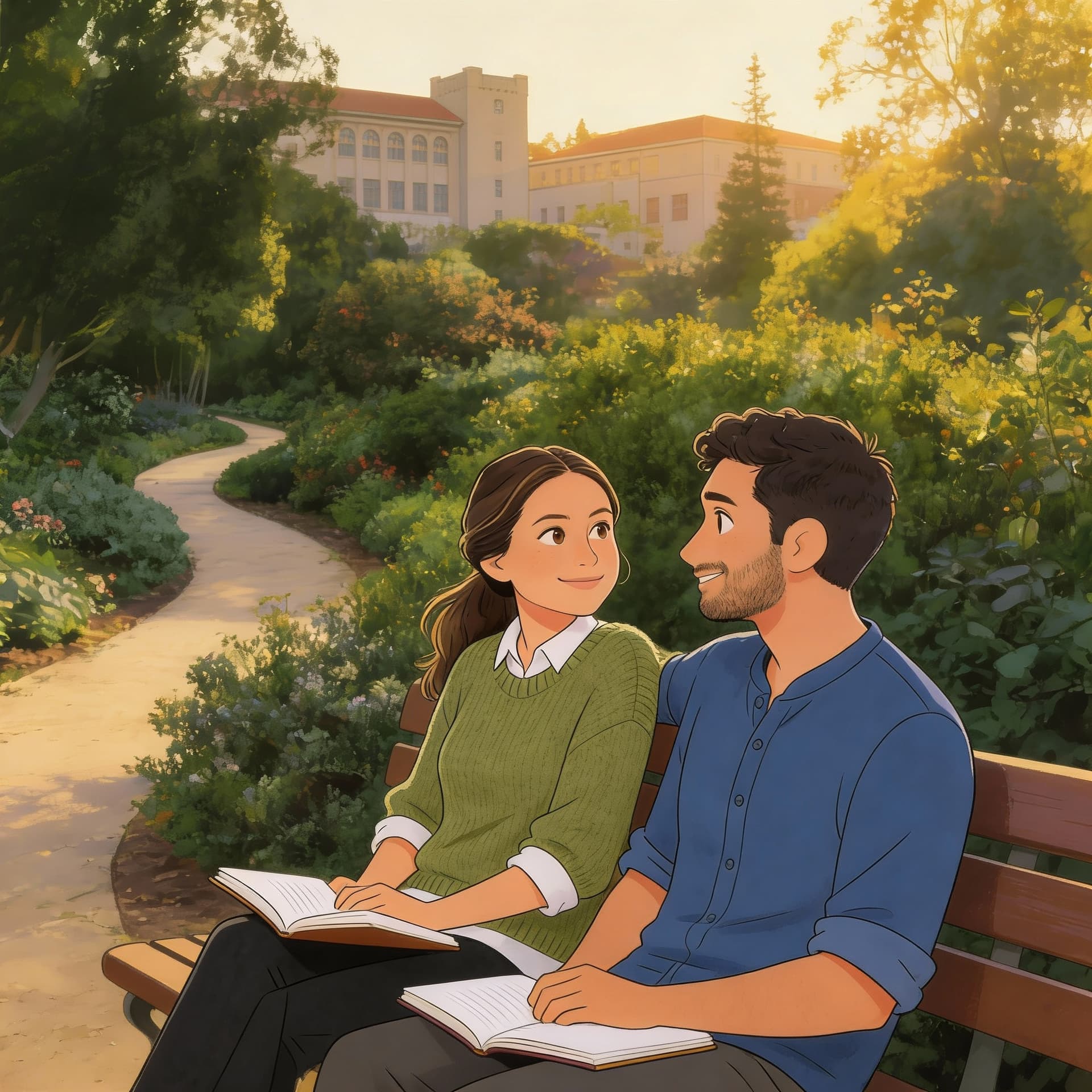
They found a bench and sat close enough to share silence. Maya stared at her own notes, suddenly afraid. “What if it’s nothing,” she said. Amir answered without looking away. “Then it’s still a good walk with you.” Maya exhaled.
They headed toward campus, talking faster. Maya described how plant-derived molecules could alter surface tension, making water behave strangely. Amir layered in microbial communities that might amplify the signal. "A living sensor," he said. Maya smiled, then caught herself. "Don't romanticize it." Amir shrugged. "Science deserves romance when it earns it."
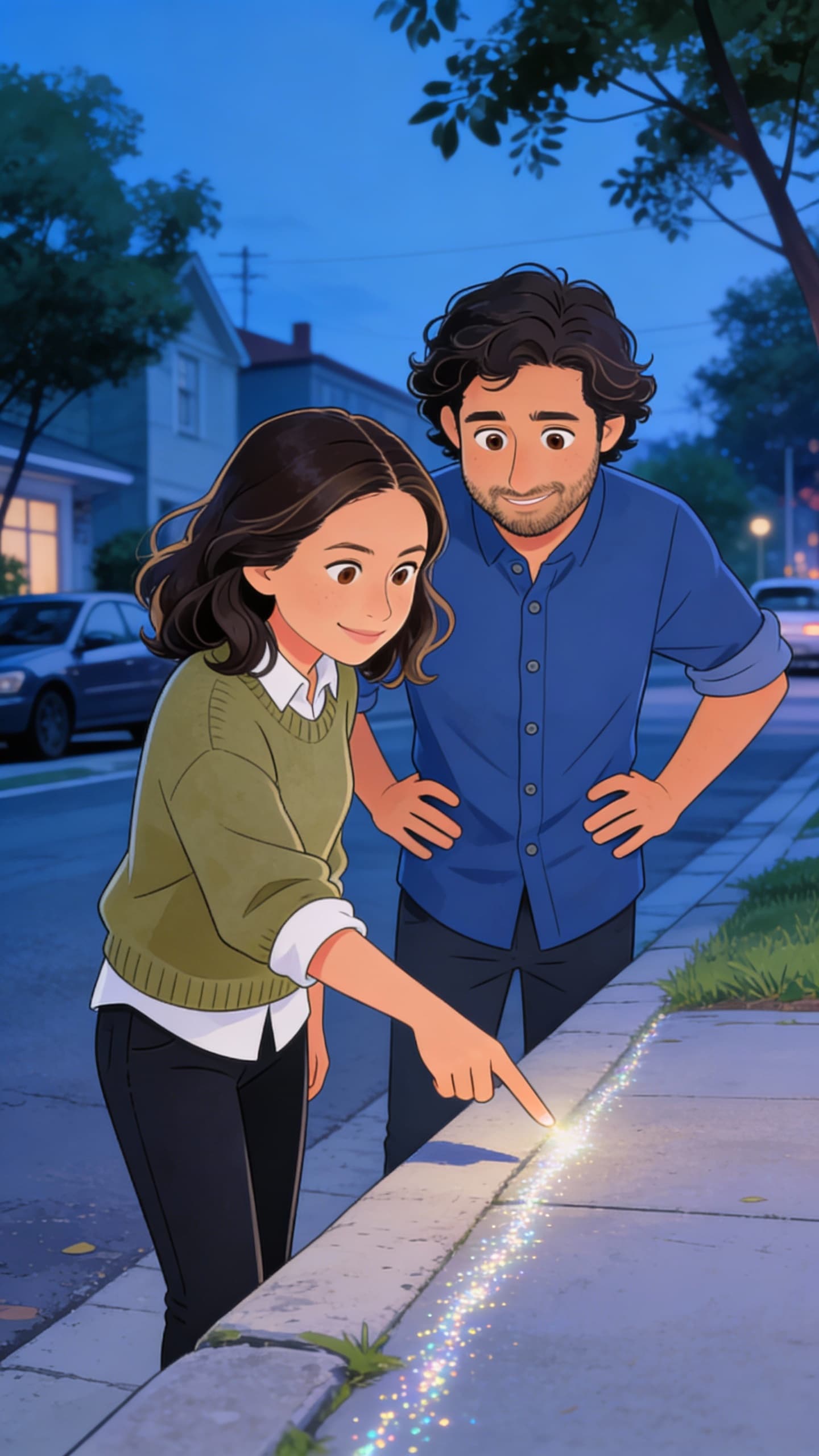
By the time they reached the streets again, the light had shifted. Maya spotted the same faint shimmer near a curb and felt her pulse jump. “It’s here too,” she said. Amir nodded. “Then it’s not an accident.”
They mapped the sheen’s path with photos and timestamps, moving block by block like careful detectives. Maya kept whispering hypotheses, rejecting them as soon as they sounded too easy. Amir kept her from spiraling. “We’re not proving it tonight,” he reminded her. “We’re learning how to ask it.” Maya swallowed. “I hate uncertainty.” Amir said, “I know. But you’re good at it anyway.”

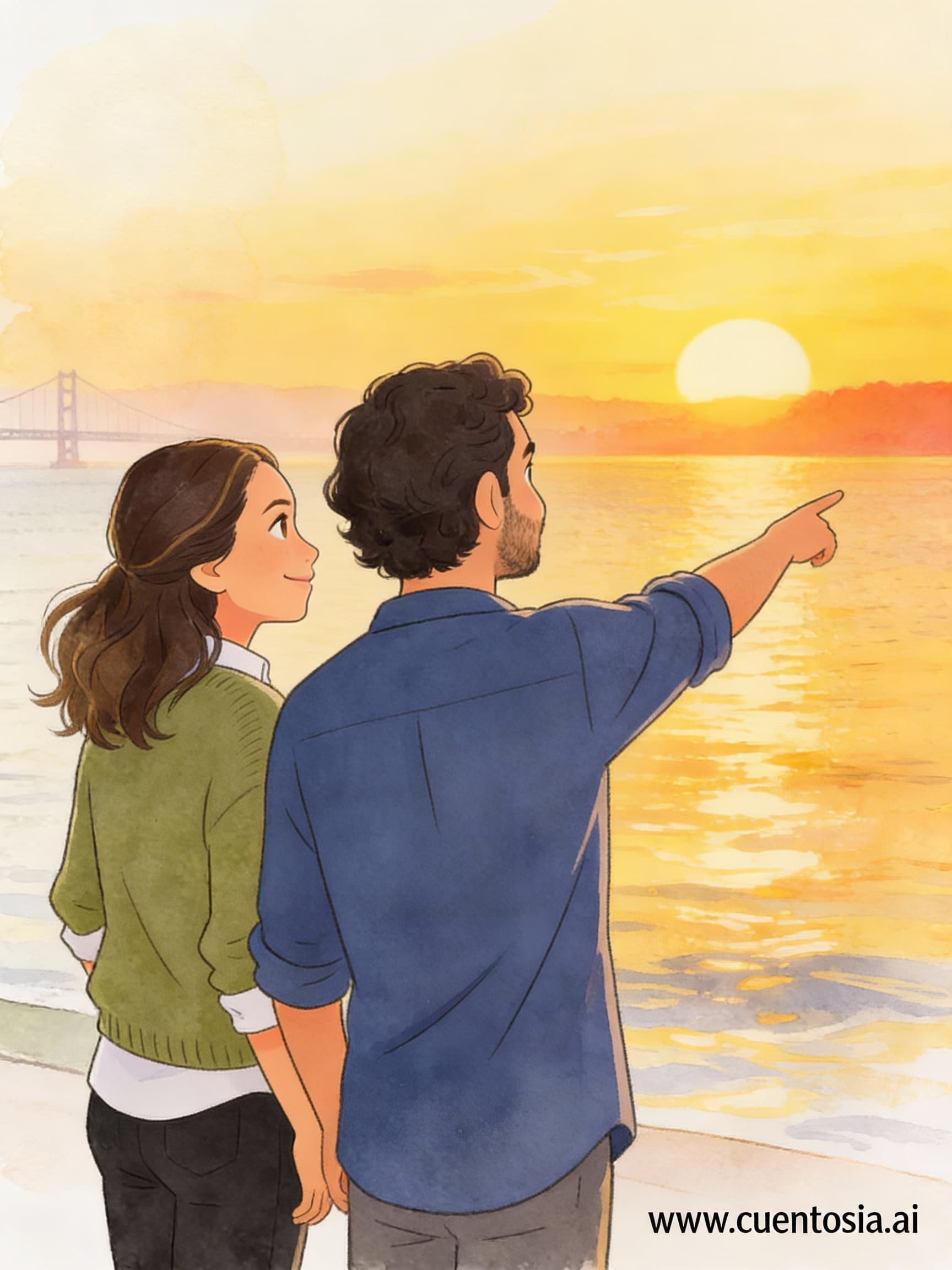
They drove their thoughts west, toward open air. César Chávez Park waited with its wide grass and kite-wind. Maya felt the day’s tension loosen as the bay appeared, steel-blue and patient, as if it had seen every idea before.
They climbed a small rise and stood facing the water. Amir spoke first, soft. “Runoff goes to the bay. Always.” Maya watched ripples catch the wind. “If eucalyptus oils are binding metals upstream,” she said, “they could change what reaches this place.” Amir pointed toward the shoreline. “And if microbes amplify the change, we can measure it without touching a drop.” Maya turned to him. “A noninvasive earlywarning system.”

The sun lowered. Maya’s mind, usually strict, let images in: leaf oils riding rain, invisible chemistry speaking through sheen. Amir waited, letting her assemble the pieces in her own order. Finally Maya said, “It’s a signal, not a spill.”
Amir’s grin broke wide. “A natural tracer,” he said, almost laughing. “The city makes it, the trees tune it, and the water carries it.” Maya felt the moment sharpen, like a lens clicking into focus. “We can model it,” she said. “We can correlate terpene levels with metal ion shifts and microbial fluorescence.” Amir whistled. “Maya, that’s a dissertation and a half.” She answered, “No. It’s a way to help.”
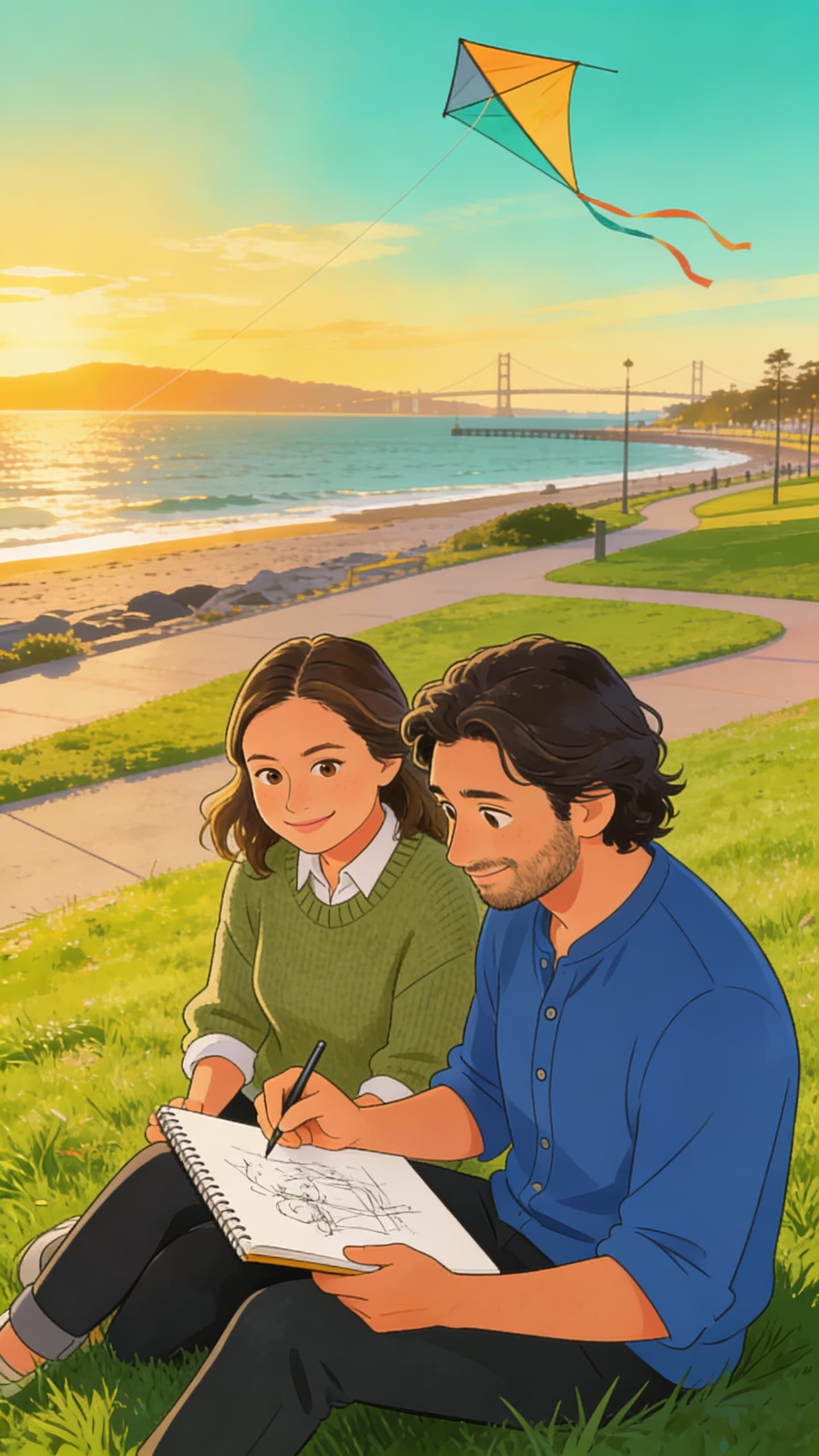
A kite dipped overhead, tugging at its string like punctuation. Maya drew a quick diagram: street, garden, drain, bay. Amir added arrows and timescales. Maya looked at their combined sketch and felt something rare—confidence without arrogance.
They planned next steps like grownups who knew deadlines could crush wonder. Amir would talk to a hydrology lab about runoff datasets. Maya would draft a proposal using public spectral readings and citizen photos. "We'll do it clean," she said. Amir nodded. "And together." Maya hesitated. "Thank you for not rushing me past the hard parts."

The last slice of sun touched the horizon. Maya leaned into the quiet, then turned to Amir. “If this works,” she said, “it changes how I see my own work.” Amir replied, “It changes how the bay gets protected.”
They walked back through Berkeley in the darkening blue, no longer chasing a mystery but carrying it carefully. Maya felt the city under her feet—streets, gardens, drains—suddenly connected by a logic that also felt like grace. Amir told a dumb joke, and she laughed, grateful for the ordinary sound. Tomorrow would bring committee meetings and code. Tonight had given Maya something sturdier: direction.