The same character in every illustration
The problem with almost every image generator: the main character changes face between pages. Not here, and you can check it across a whole story.
Ask any image generator for twelve illustrations of the same girl and it will hand you twelve different girls. In a storybook that ruins everything: if the main character is not recognisable from one page to the next, they stop being the main character.
In cuentosIA the character holds: the same face, the same hair, the same clothes, from the cover to the last page. How we do it is our business; what you can do is check it, and that is what the free stories are published in full for.
See it for yourself

The starting photo
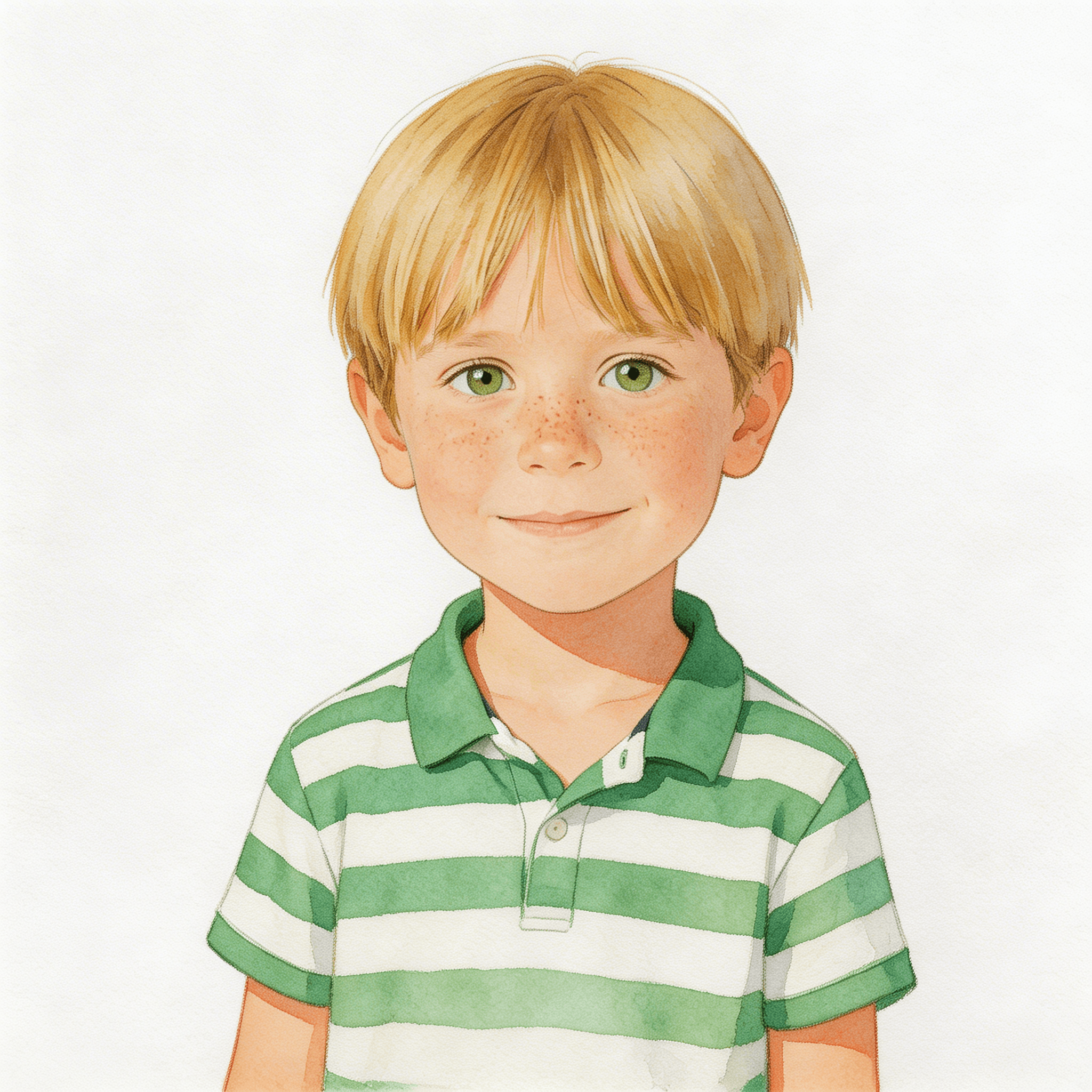
The illustrated character
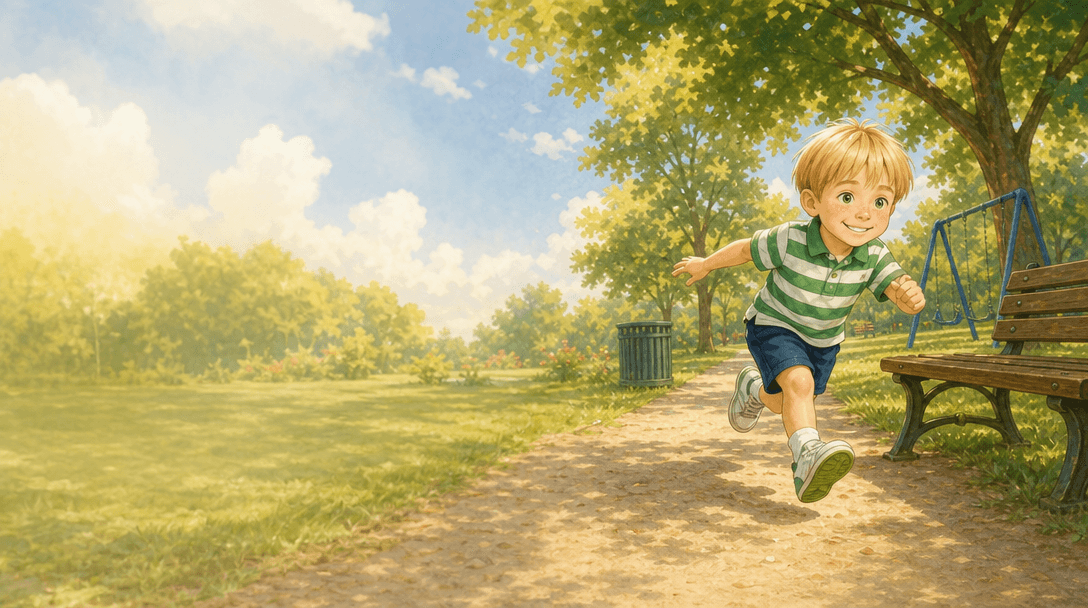
Page 1 of the story
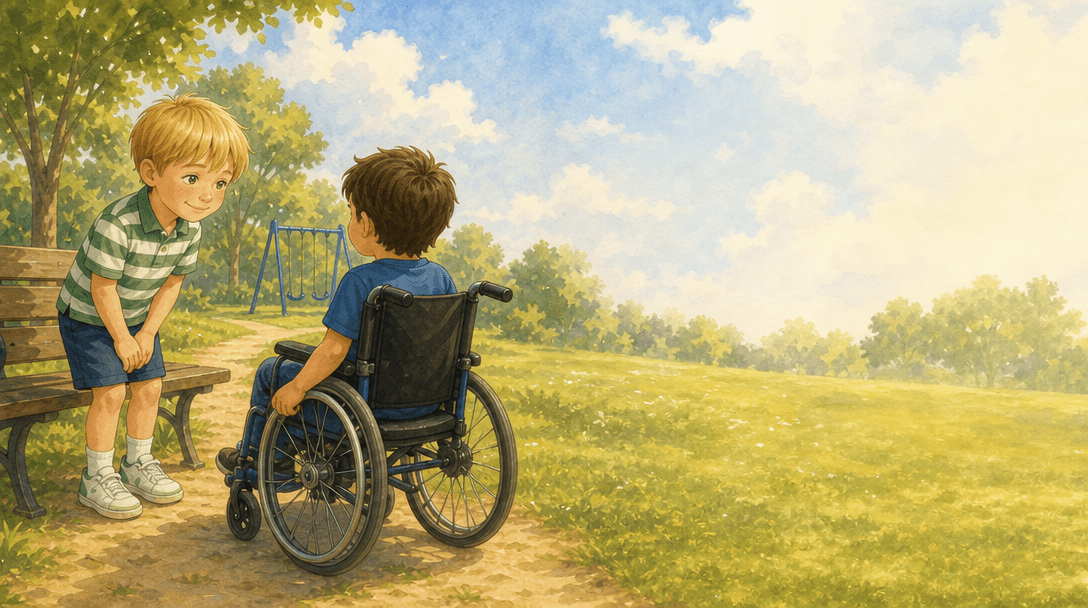
Page 4 of the story
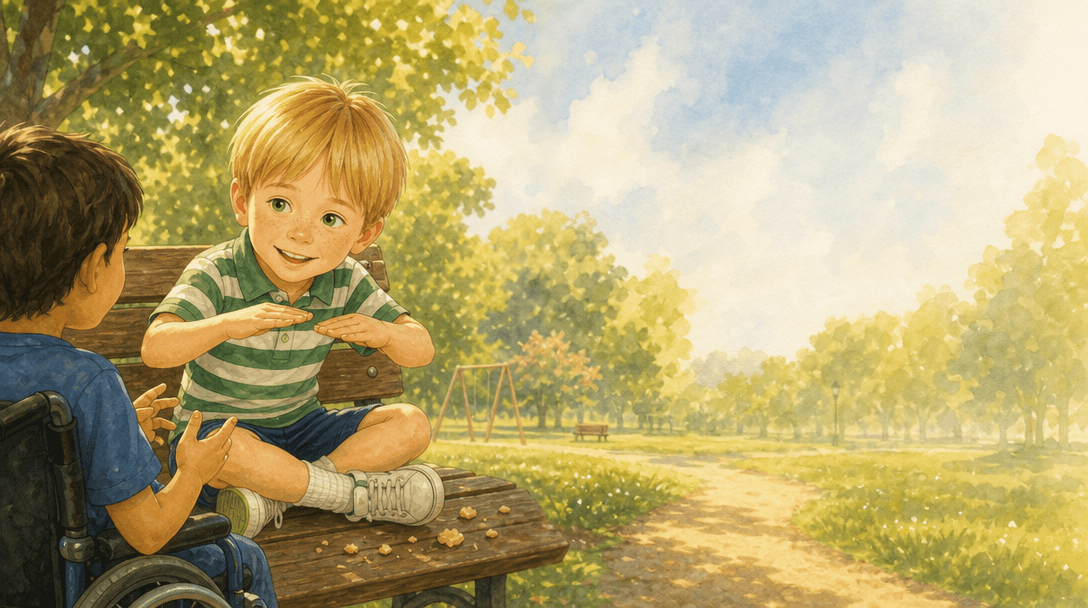
Page 8 of the story
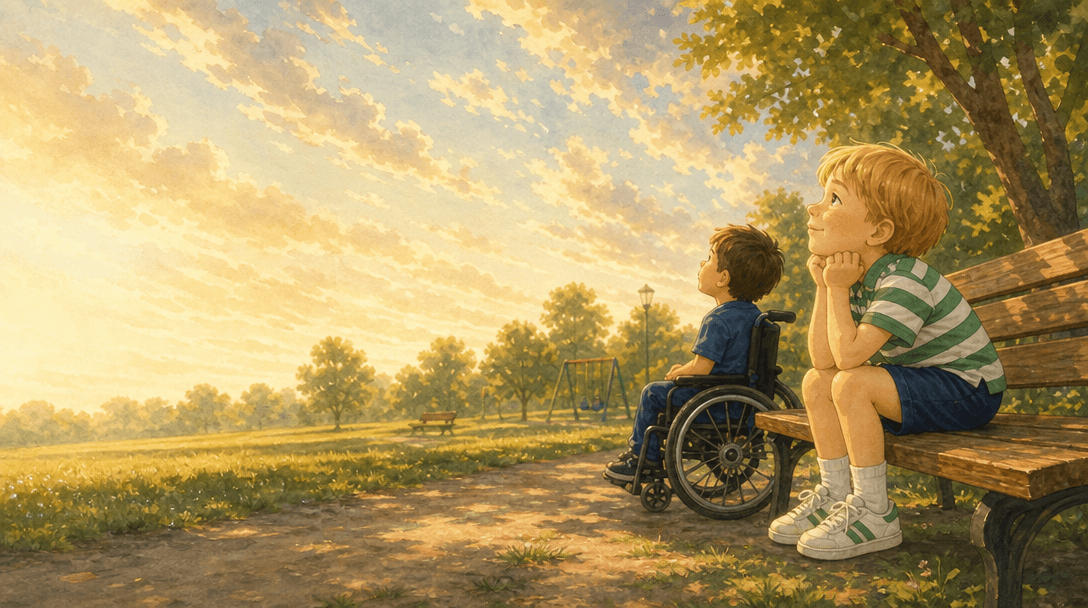
Page 11 of the story
In detail
| What holds | Where you see it |
|---|---|
| The main character’s face and features | Across the 12 to 24 illustrated pages of the book |
| Hair colour, eye colour and skin tone | In every illustration, cover included |
| The clothes they start the story in | Unless the story itself says they change |
| The supporting characters | Up to 4 characters in one story |
| The illustration style you chose | Cover, inside pages and back cover |
| The same person at another age | Only in stories with a time jump |
What stays the same across one book.
It starts with the portrait
The first thing you see of your character is not a page of the story: it is their illustrated portrait, built from the photo you upload or the description you write. If it does not look right, you redo it there and then, before a single page is drawn.
And with several characters at once
A story takes up to 4 characters. You can put your children, their grandparents and a classic catalogue character in the same story: each one stays recognisable in every scene they appear in.
Even when the story jumps years ahead
Some stories start in a girl’s bedroom and end at her wedding. When the story jumps in time, the character is still the same person in both stages: the same eyes, the same skin, the same face at the age each page calls for.
Check it on a real story
The images above come from a story published in full and for free: the starting photo, the illustrated character and several scenes from the book. It is not a mock-up made for this page — it is a story you can read from beginning to end.
Frequently asked questions
Does this work if I upload a photo?
Yes. The photo is used to build the character’s illustrated portrait and deleted as soon as it has been processed: what appears in the story is always the drawing, never your photograph.
What about several characters at once?
The same. A story takes up to 4 characters and each one stays recognisable in the scenes they appear in, whether they are yours or from the classic catalogue.
How do you do it?
That part is ours and we do not spell it out. What we do is show the result: the free stories are published in full, with all their illustrations, so you can judge it without paying anything.
Can I change a character’s look mid-story?
You can redo their portrait. From that point on the illustrations you regenerate use the new version, and you can always go back to the earlier one from the history.
What if a character looks odd on one particular page?
You can redo just that illustration, or edit it with a specific instruction while keeping the rest of the scene. Both come out of the story’s regeneration allowance.
Other features
The 25 illustration styles for your story
Nineteen can be picked in any story and six belong to the Club. Here are all 25, each with a real example.
See how it works: The 25 illustration styles for your story41 storybook characters to join your own
Snow White, Zeus, King Arthur or Don Quixote can appear in the story alongside your child, looking exactly as they always do.
See how it works: 41 storybook characters to join your ownYour story, read out loud
The very story you created, narrated by a professional voice in the language and regional variant it belongs to. It arrives as an MP3 and it is yours for good.
See how it works: Your story, read out loud
See it for yourself with your own story
No description beats seeing it done: choose the characters, the style and the story, and judge the result.
Create my storySee all features