Here is a question that keeps researchers up at night: why do so many children who can read choose not to? The ability is there. The opportunity is often there. But somewhere between learning to decode words and actually wanting to pick up a book, something breaks down. Personalised stories offer a surprisingly effective way to bridge that gap.
The 'reading crisis' isn't really about screens
It is tempting to blame phones and tablets, but the data tells a more nuanced story. The Scholastic Kids and Family Reading Report found that 57% of children aged 6-17 say they wish they could find more books they actually enjoyed. The issue is not that children hate reading -- it is that too many of them have never found a story that felt like it was meant for them. Screen time is a factor, but relevance is the real bottleneck.
When the hero has your name, everything shifts
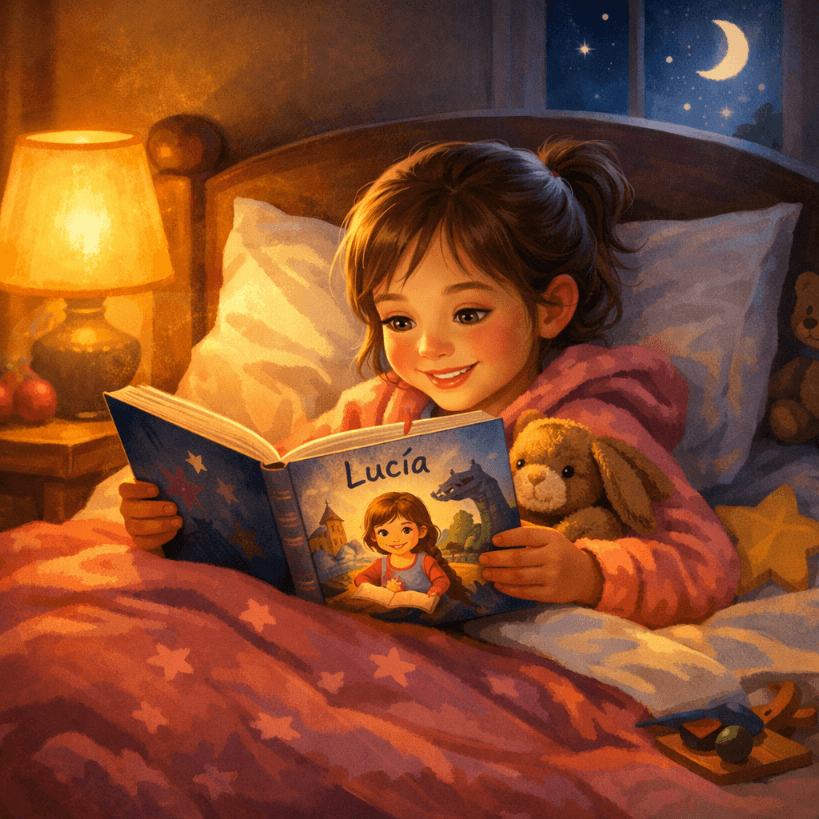
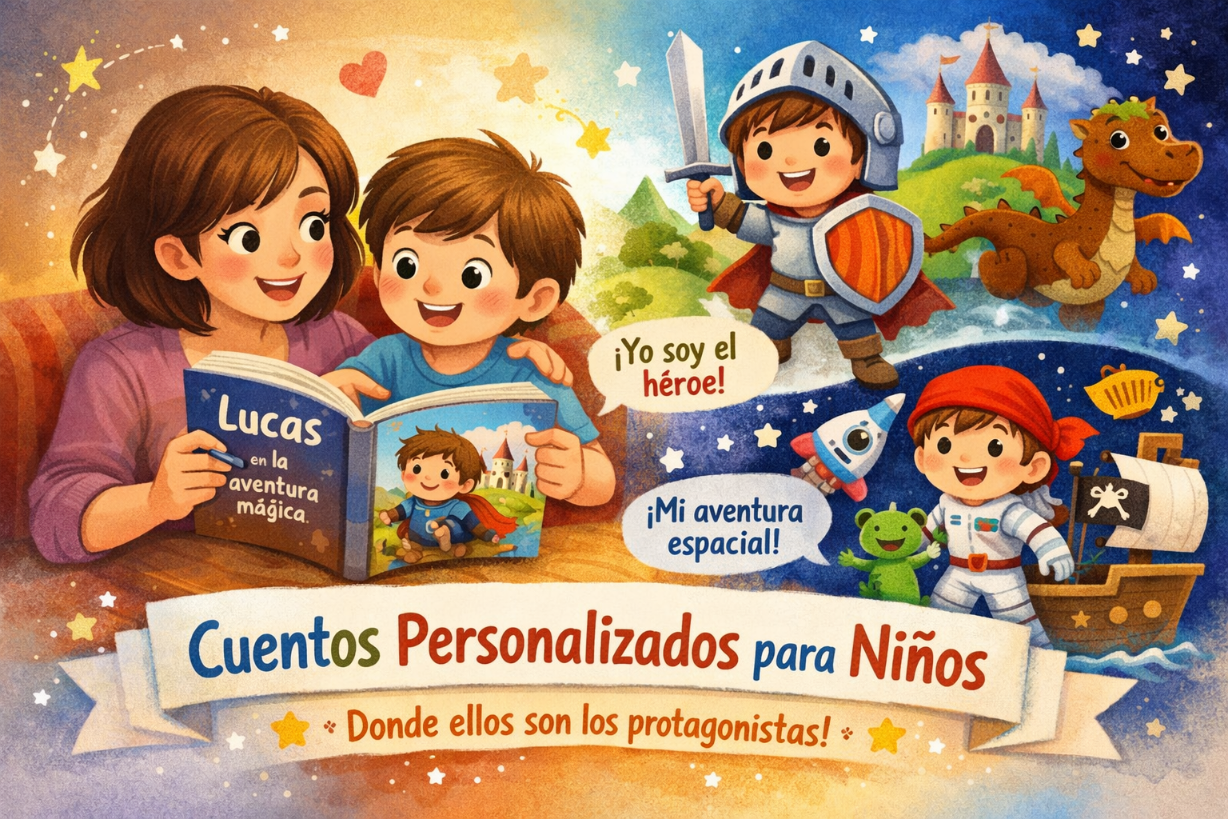
Research from the National Literacy Trust consistently shows that personal relevance is one of the strongest drivers of reading motivation in young children. A personalised story takes this insight and runs with it: the main character shares the child's name, appearance, pets, and everyday world. The result is not just engagement -- it is ownership. Children return to these stories unprompted because the story belongs to them in a way that a generic book never can.
Reading together changes the relationship with books
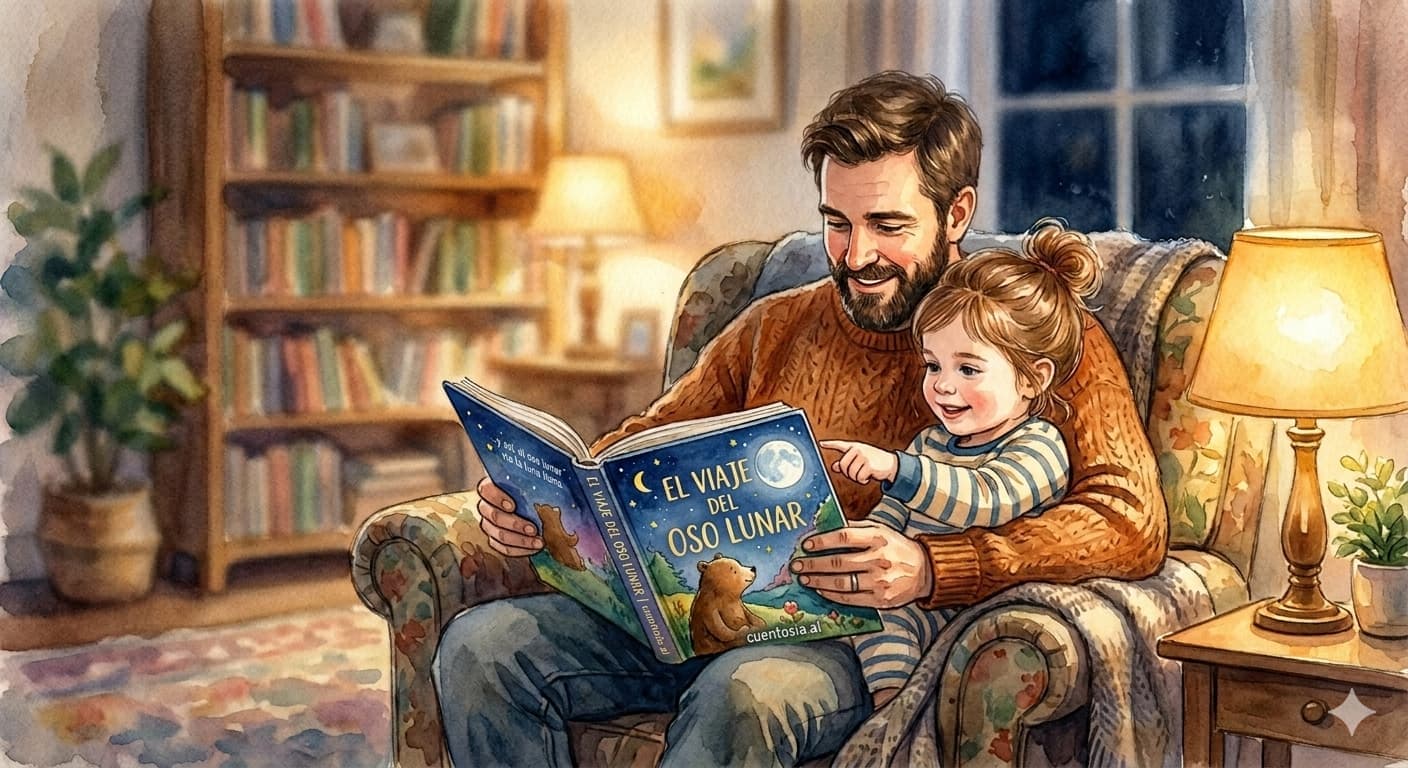
A personalised story is almost never read alone. It becomes a bedtime ritual, a weekend treat, a quiet ten minutes on the sofa. That shared experience matters enormously. When reading is associated with warmth, closeness, and a parent's undivided attention, children begin to see books as something deeply positive. Over time, that emotional connection builds a reading habit more reliably than any reward chart or school target.
What personalised stories quietly build
- Confidence -- seeing themselves as brave, capable characters strengthens a child's sense of self.
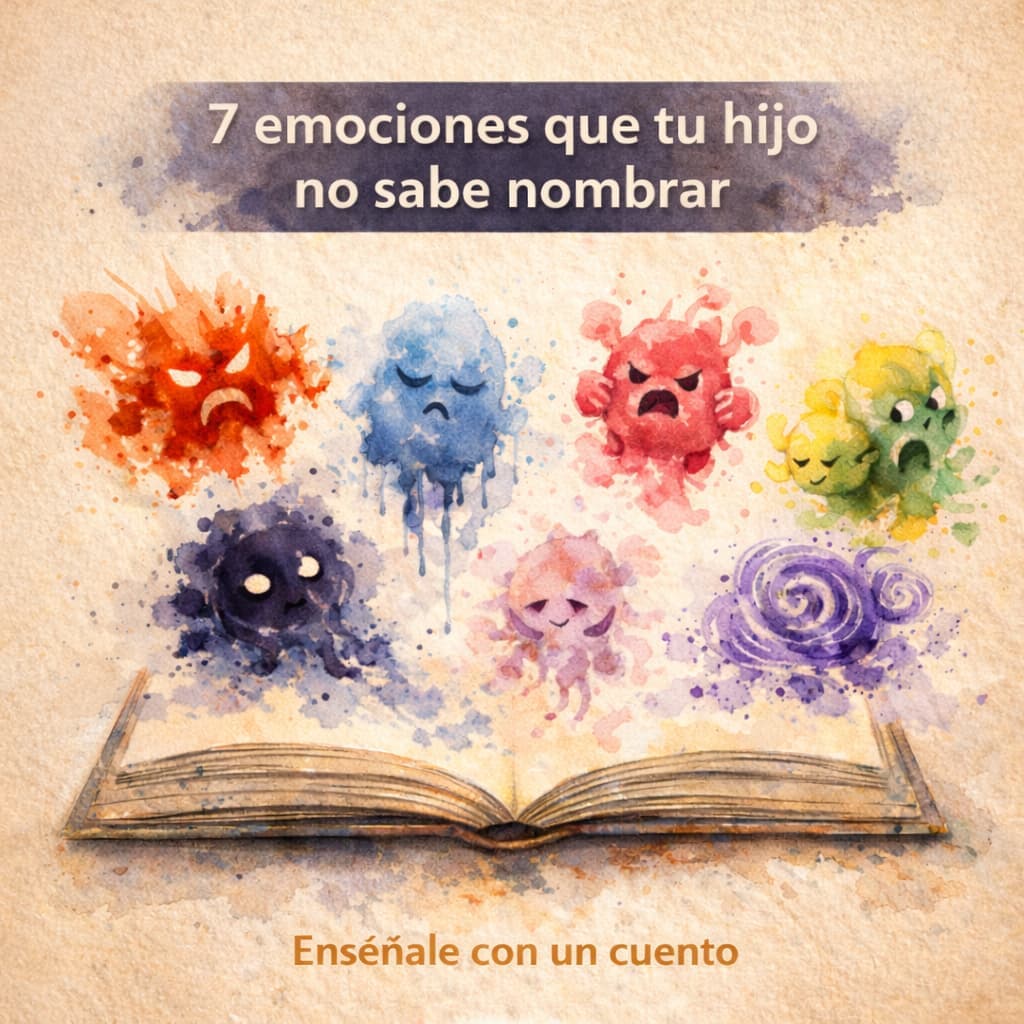
- Emotional vocabulary -- stories can explore fears, frustrations, and new experiences through language children understand.
- Empathy -- familiar settings make it easier for children to imagine how others feel.
- A gateway habit -- for reluctant readers, a personalised story can be the first book they ever ask to read again.
A bridge, not a replacement
Personalised stories are not a substitute for the picture books and novels written by professional authors -- and they should not be. They are a bridge. A way to show a child that reading can feel personal, exciting, and entirely theirs. Once that spark exists, the next step is a trip to Waterstones, a school library visit, or a subscription box full of books by real authors. The goal was always more readers, not fewer real books.
If your child has not yet found the book that makes them say "again!", a personalised story might be worth trying. It takes five minutes to create, and the effect can last much longer than that.
Sources: National Literacy Trust (literacytrust.org.uk), Scholastic Kids and Family Reading Report (scholastic.com/readingreport), OECD PISA (oecd.org).